
Electric Scooter Cables
66 products
Showing 49 - 66 of 66 products
Electric scooter cables are essential components that ensure communication, control, and power transmission between the scooter’s critical systems. From braking and acceleration to lighting and display connectivity, cables play a silent but vital role in the performance, safety, and responsiveness of your electric scooter. At Vepace, we offer a wide selection of high-quality electric scooter cables engineered for durability, flexibility, and compatibility with the most popular scooter brands including Dualtron, Teverun, Kukirin, Kuickwheel, HERO, and many more.
Whether you are replacing worn wiring, upgrading to reinforced cables, repairing a braking system, or customizing your scooter’s electrical setup, choosing the right cables significantly improves reliability, responsiveness, and long-term performance. Cables are often overlooked, yet they are the nervous system of the scooter — transmitting signals, power, and mechanical force across every ride.
All Electric Scooter Cables in This Collection
Our collection includes cables adapted to every system, riding style, and scooter configuration.
Brake Cables
Brake cables are used in mechanical braking systems to transmit force from the brake lever to the brake caliper or drum. High-quality brake cables provide smooth tension, consistent response, and reduced friction, ensuring safe and reliable stopping power. Reinforced inner wires and corrosion-resistant coatings improve lifespan and performance in wet or dusty environments.
Throttle Cables
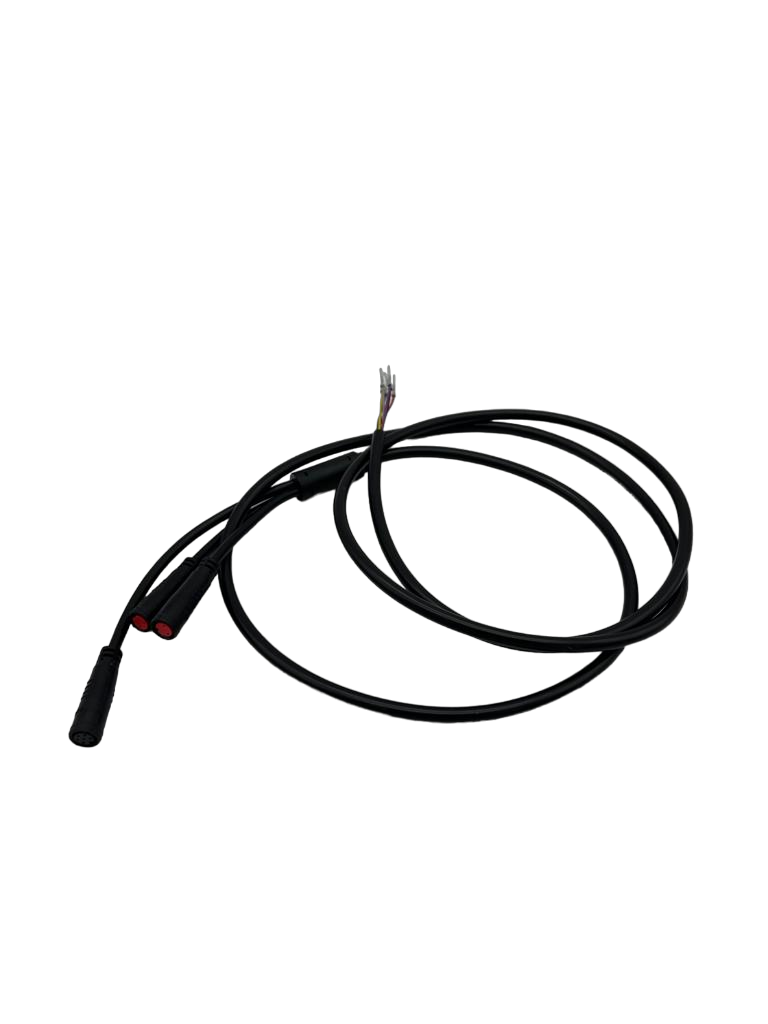
Throttle cables or throttle wiring harnesses connect the throttle control to the scooter’s controller. These cables ensure accurate acceleration response and stable signal transmission. A high-quality throttle cable eliminates lag, reduces signal interference, and improves rider control, especially on performance scooters.
Motor Cables
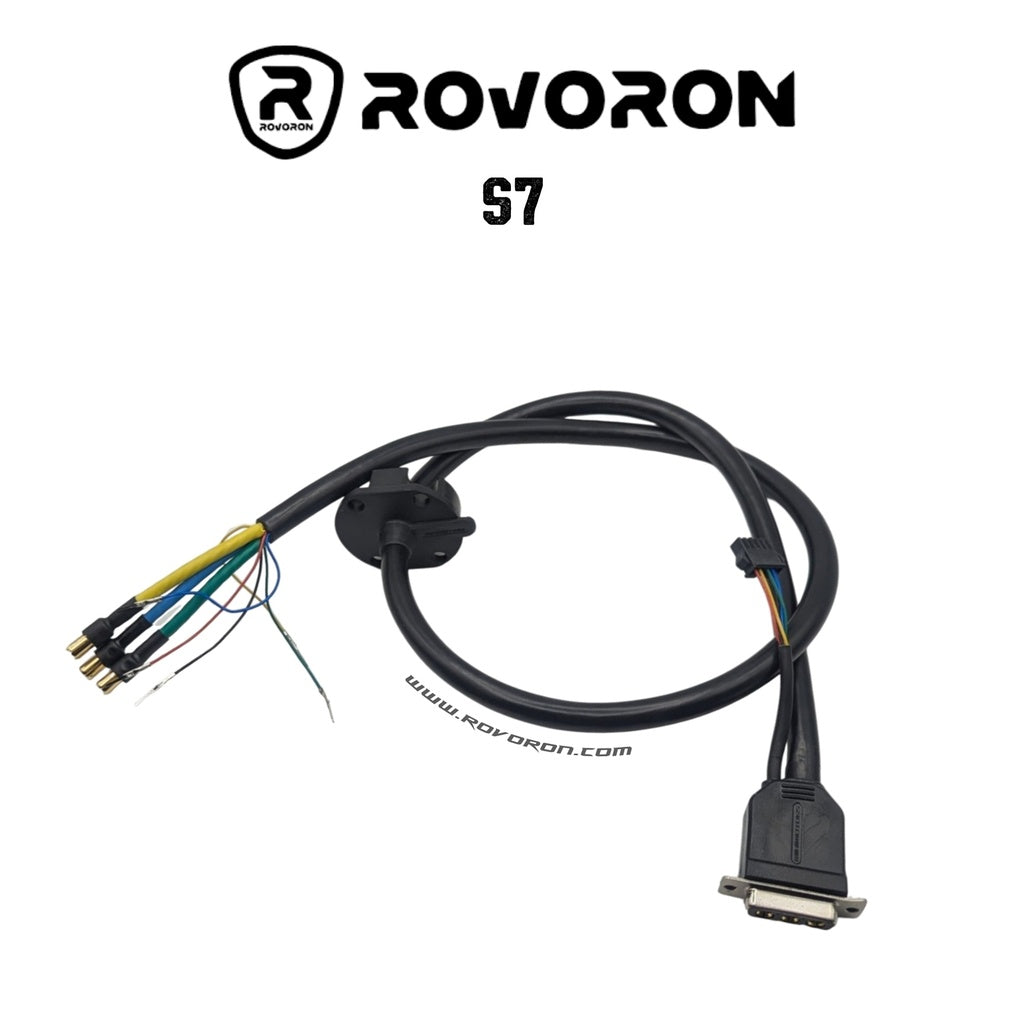
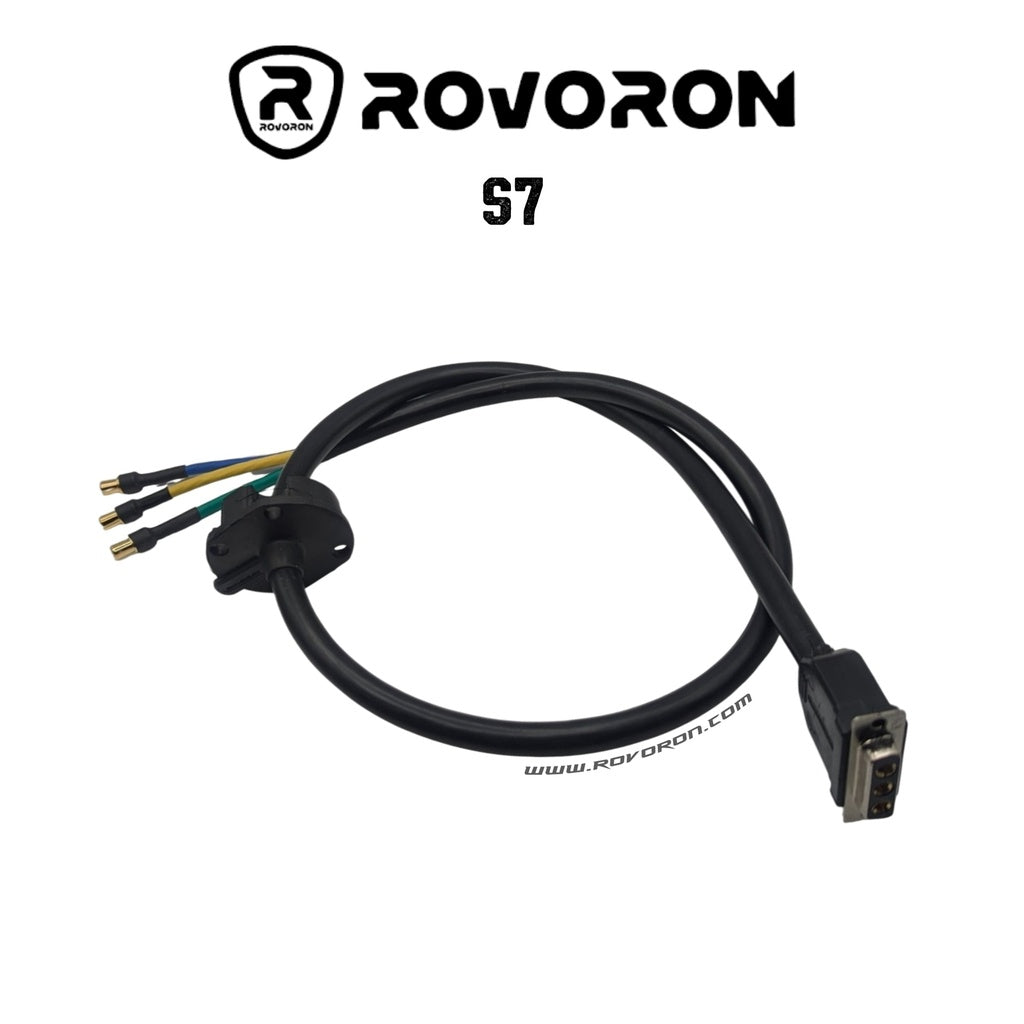
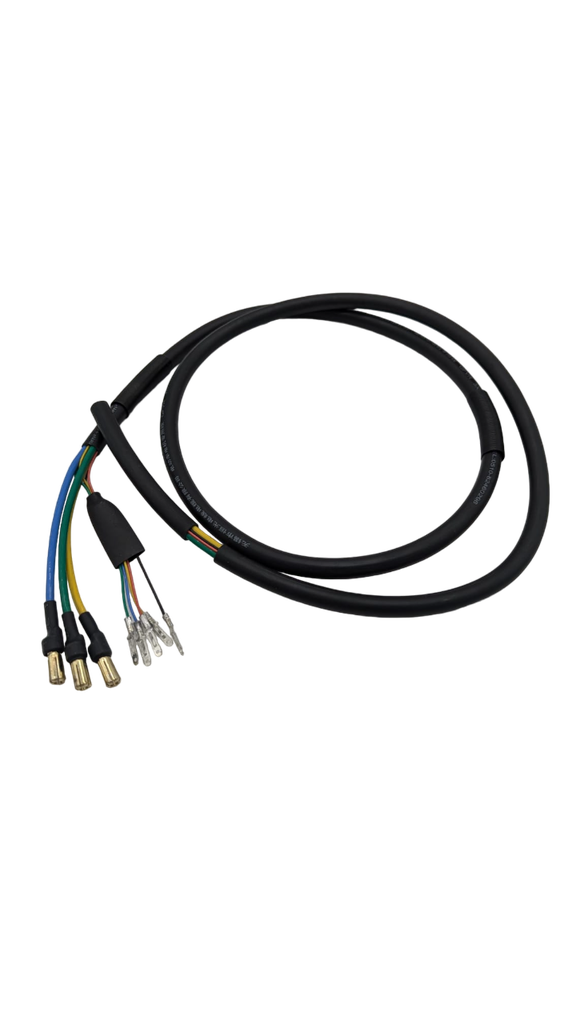
Motor cables transmit electrical power and control signals between the controller and the motor hub. These cables must withstand high current loads, heat, vibration, and repeated bending. Reinforced insulation and thick copper cores are essential for preventing overheating, voltage drop, or electrical failure.
Display & Control Cables
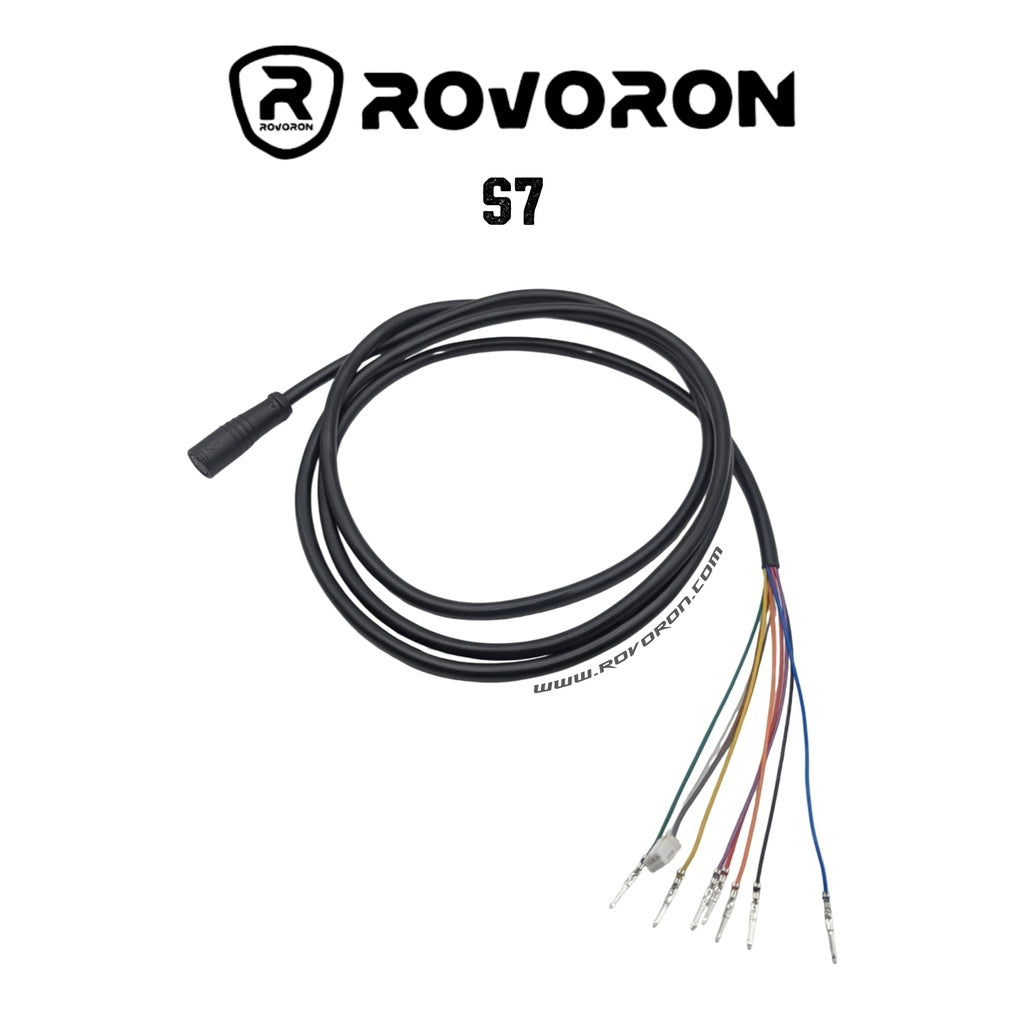
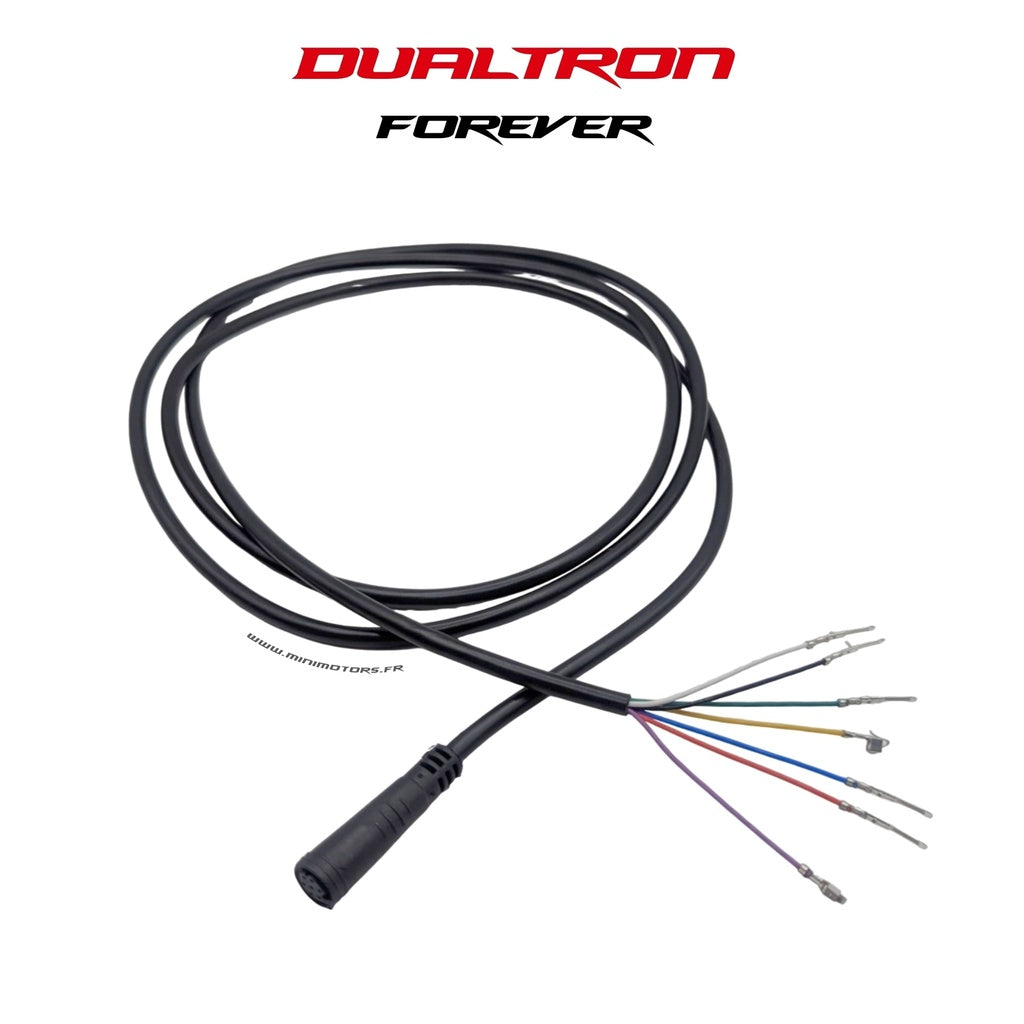
Display cables connect dashboards, speedometers, and control units to the scooter’s electronic system. Reliable data cables ensure accurate speed readings, battery indicators, riding modes, and error diagnostics. Shielded cables help reduce electromagnetic interference for stable performance.
Lighting & Brake Light Cables
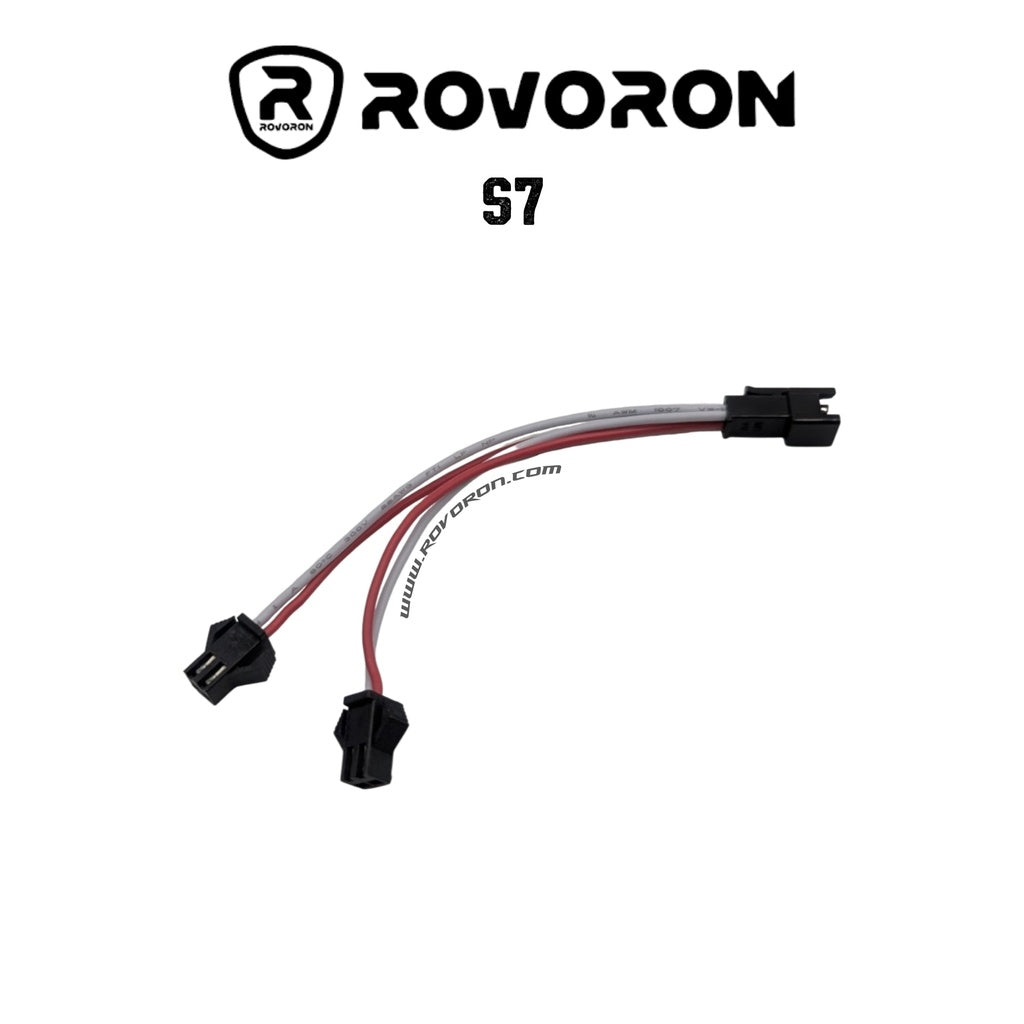
Lighting cables connect headlights, rear lights, indicators, and brake lights. These cables are essential for rider visibility and safety, especially during night riding or heavy traffic conditions. Waterproof connectors and durable sheathing increase resistance to rain, dust, and vibration.
Wiring Harnesses
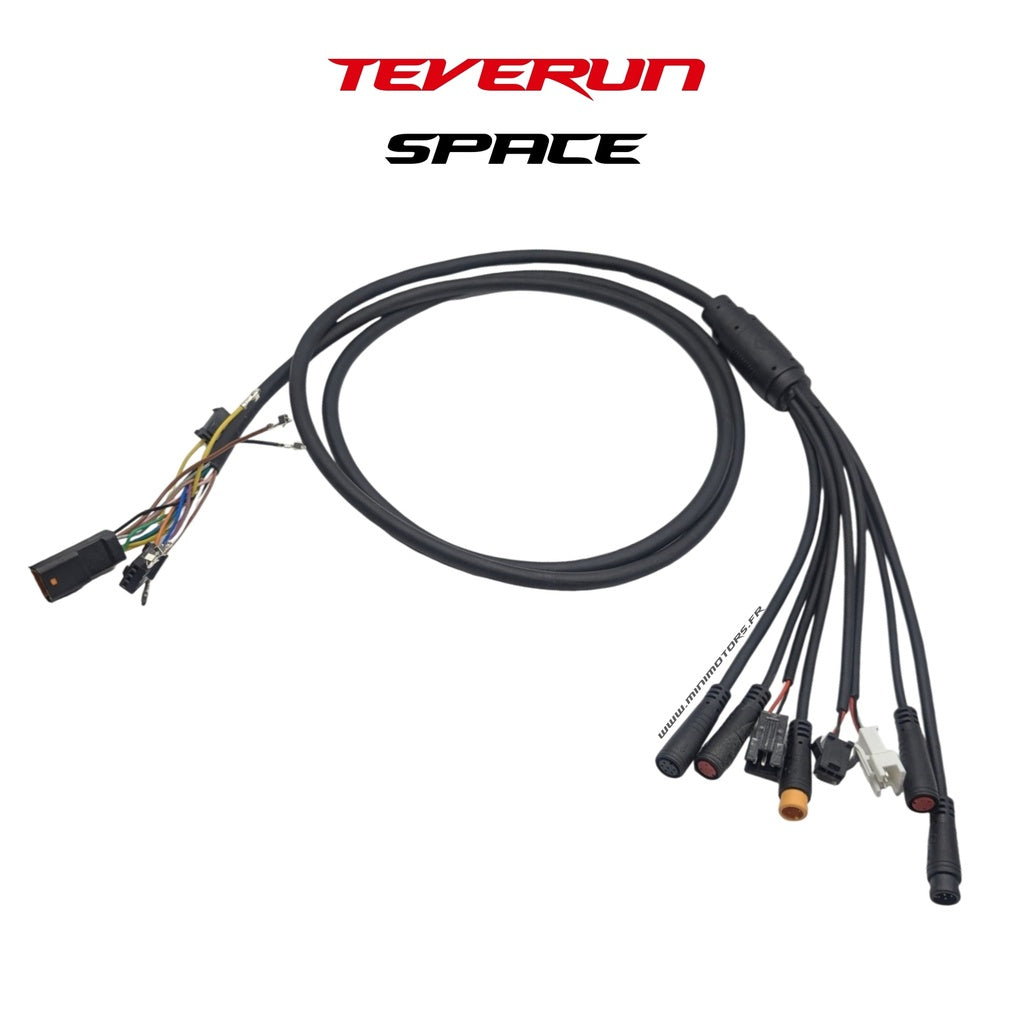
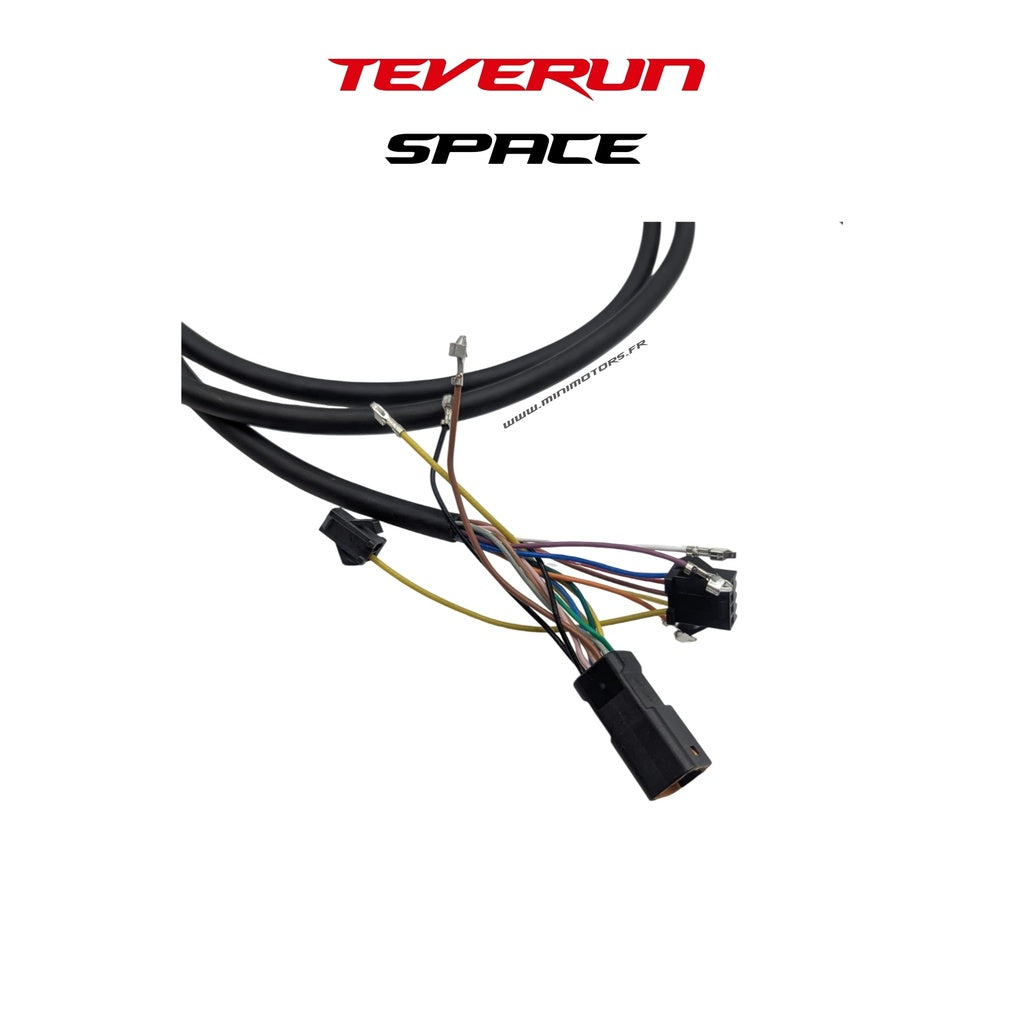
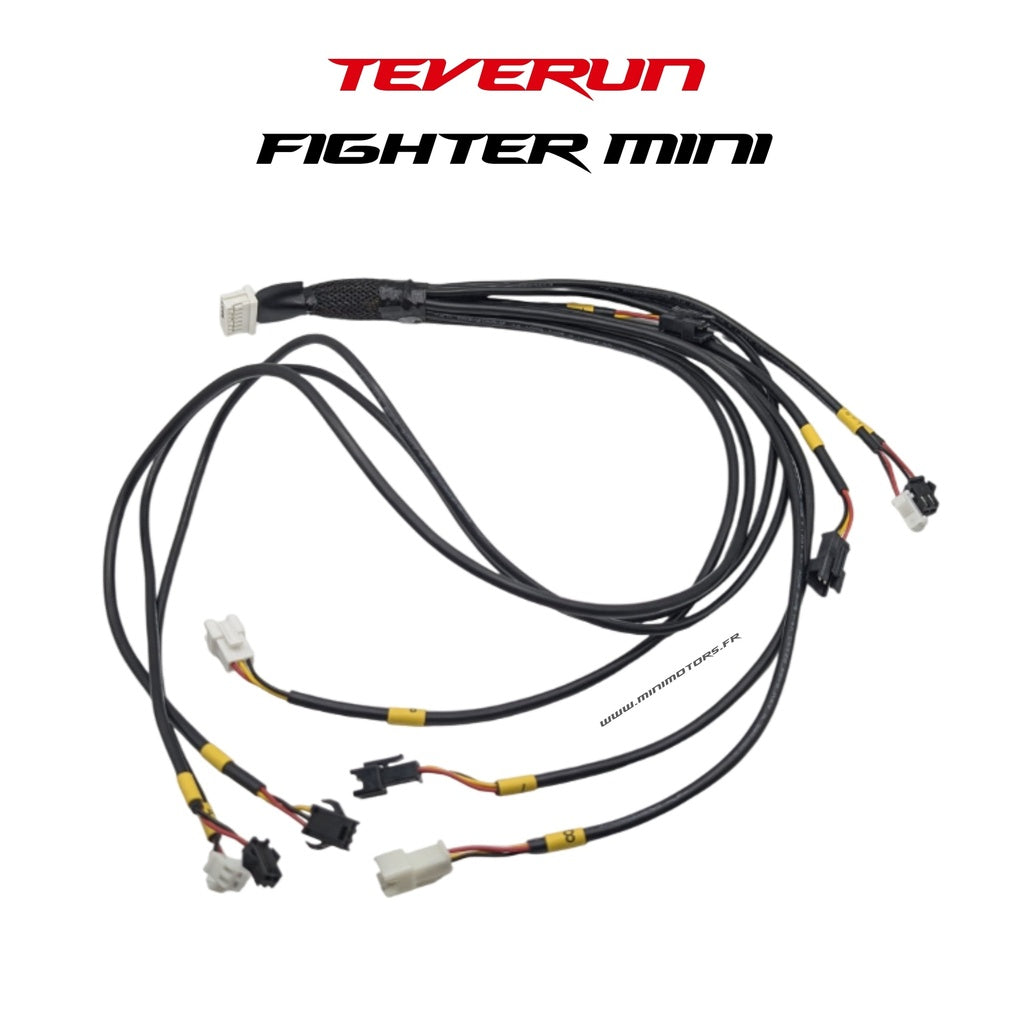
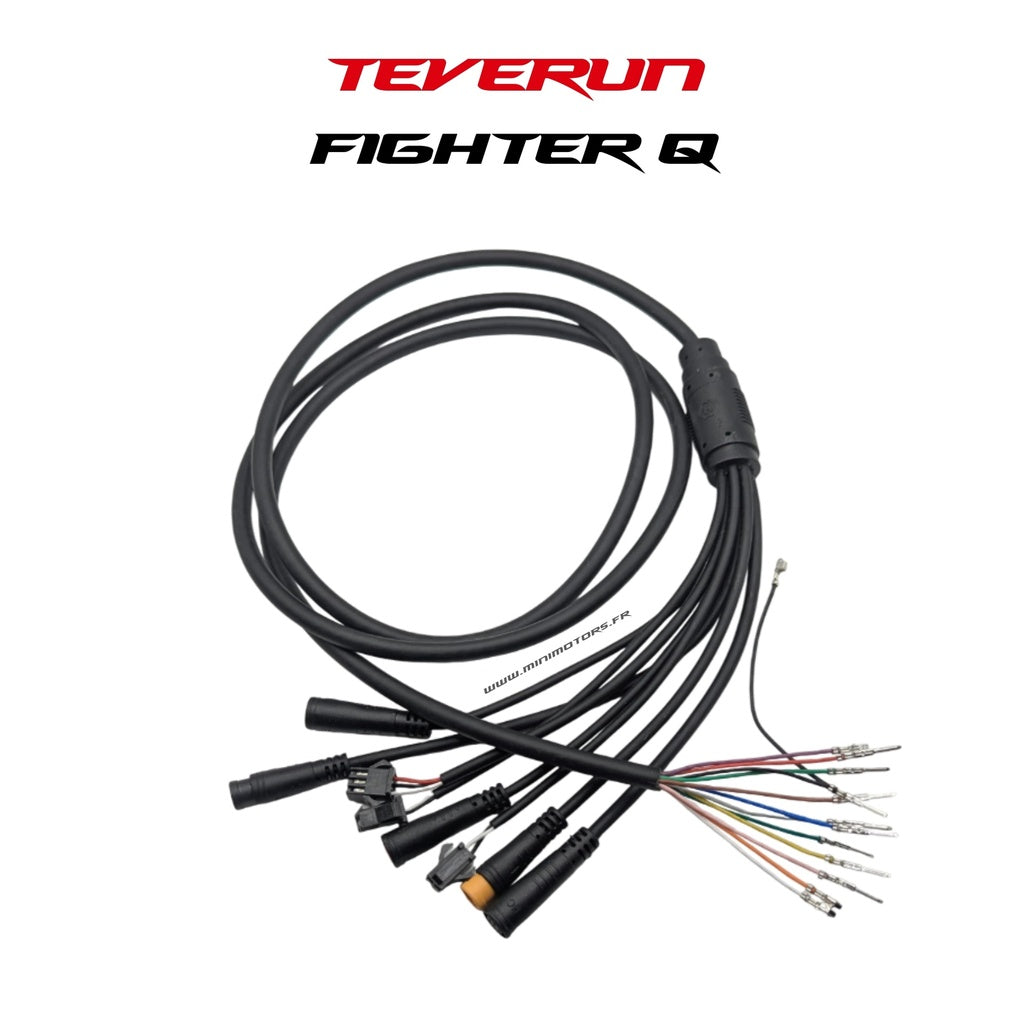
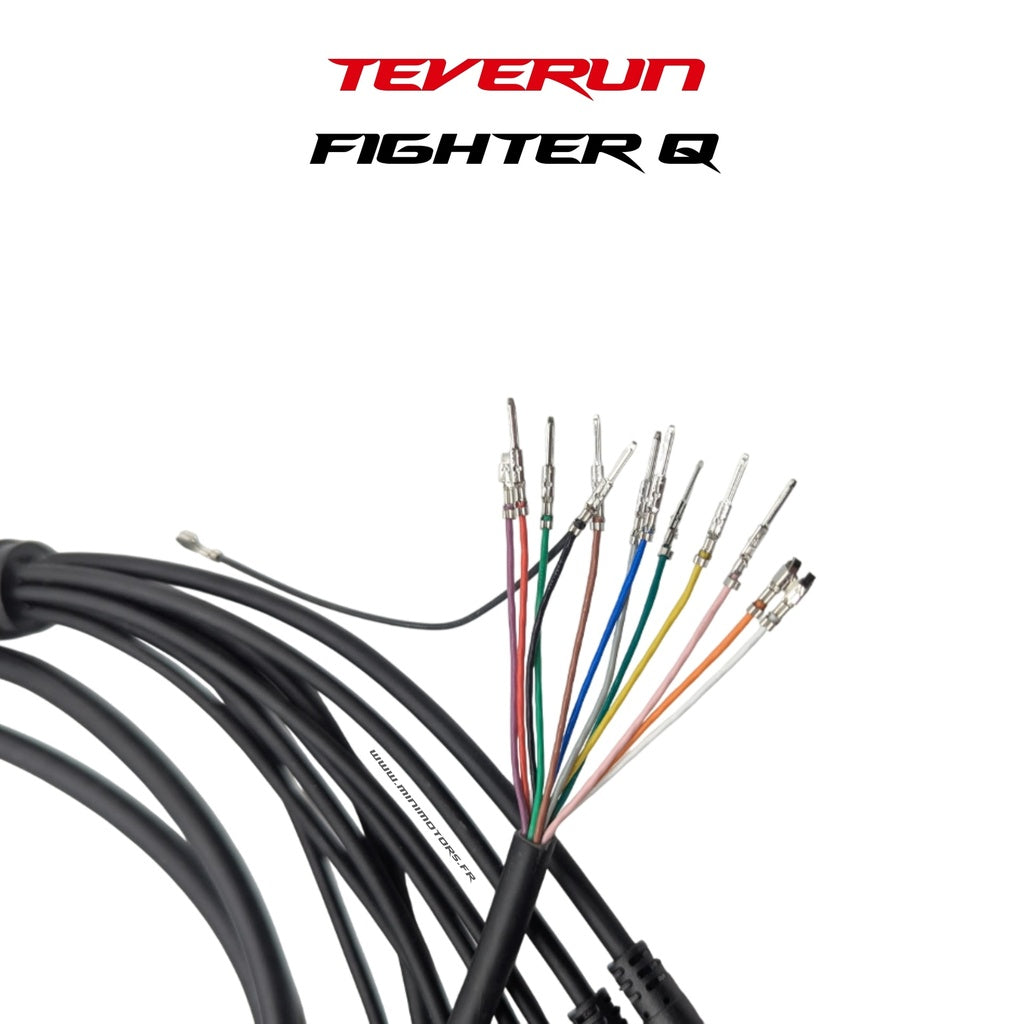
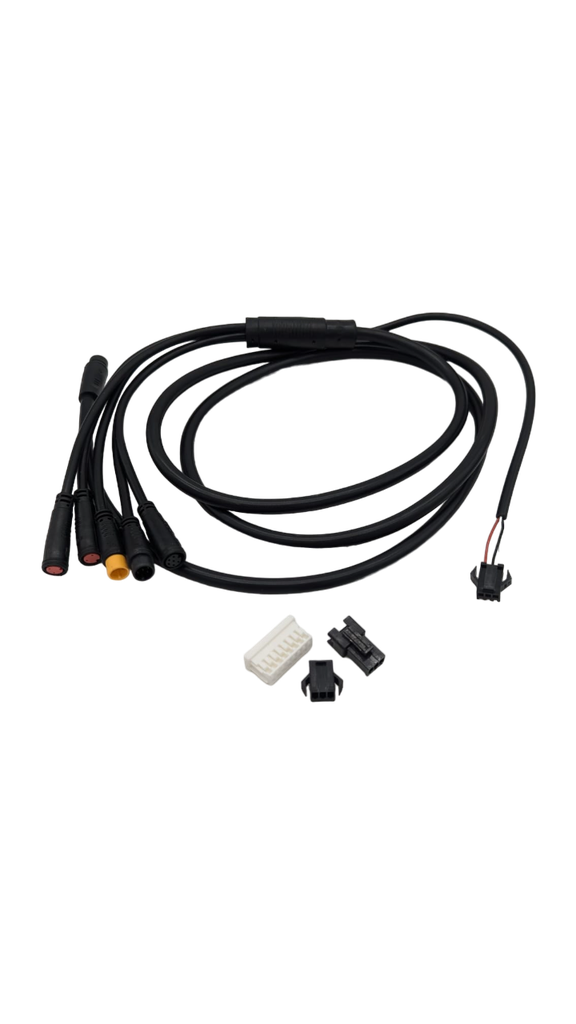
Complete wiring harnesses combine multiple cable routes into a single organized system. They simplify installation, reduce clutter, and ensure secure electrical distribution across the scooter. Harnesses are ideal for full repairs, custom builds, or major component replacements.
What Are Electric Scooter Cables?
Electric scooter cables are flexible transmission lines that carry either mechanical force or electrical signals throughout the scooter. They allow different components to communicate and function together efficiently. Without properly functioning cables, braking may weaken, acceleration may lag, displays may fail, or motors may lose power.
Cables can be divided into two main categories:
Mechanical Cables
Used primarily in brake systems, these cables transmit physical force from the lever to the braking mechanism.
Electrical Cables
Used for power and data transmission, these cables connect the battery, controller, motor, throttle, lights, and electronic accessories.
A well-maintained cable system ensures smooth operation, safety, and long-term reliability.
Cable Materials and Construction
Cable quality depends heavily on its internal and external materials.
Copper Core Wiring
High-purity copper cores provide superior electrical conductivity, reducing energy loss and overheating. Thicker copper strands support higher current loads, which is essential for performance scooters.
Steel Inner Wires (Mechanical Cables)
Mechanical brake cables typically use braided stainless steel wires for strength, flexibility, and corrosion resistance. This ensures consistent braking performance even under heavy tension.
Protective Sheathing
Outer sheathing protects cables from water, dust, UV exposure, and abrasion. Reinforced PVC, nylon braiding, or rubber coatings increase durability and lifespan, particularly for off-road or all-weather scooters.
Shielded Data Cables
Shielding reduces electromagnetic interference and ensures stable data transmission for displays and controllers, preventing glitches or signal drops.
Cable Length, Routing, and Flexibility
Correct cable length and routing are crucial for safety and performance.
Length
-
Too short: restricts steering movement and creates tension.
-
Too long: causes clutter and potential snagging.
Routing
Proper routing prevents bending stress, friction, and interference with moving parts. Clean cable management also improves aesthetics and reduces wear.
Flexibility
Flexible cables withstand repeated steering movement without cracking or internal breakage. High-quality insulation prevents stiffness in cold weather and softening in heat.
Compatibility and Connector Types
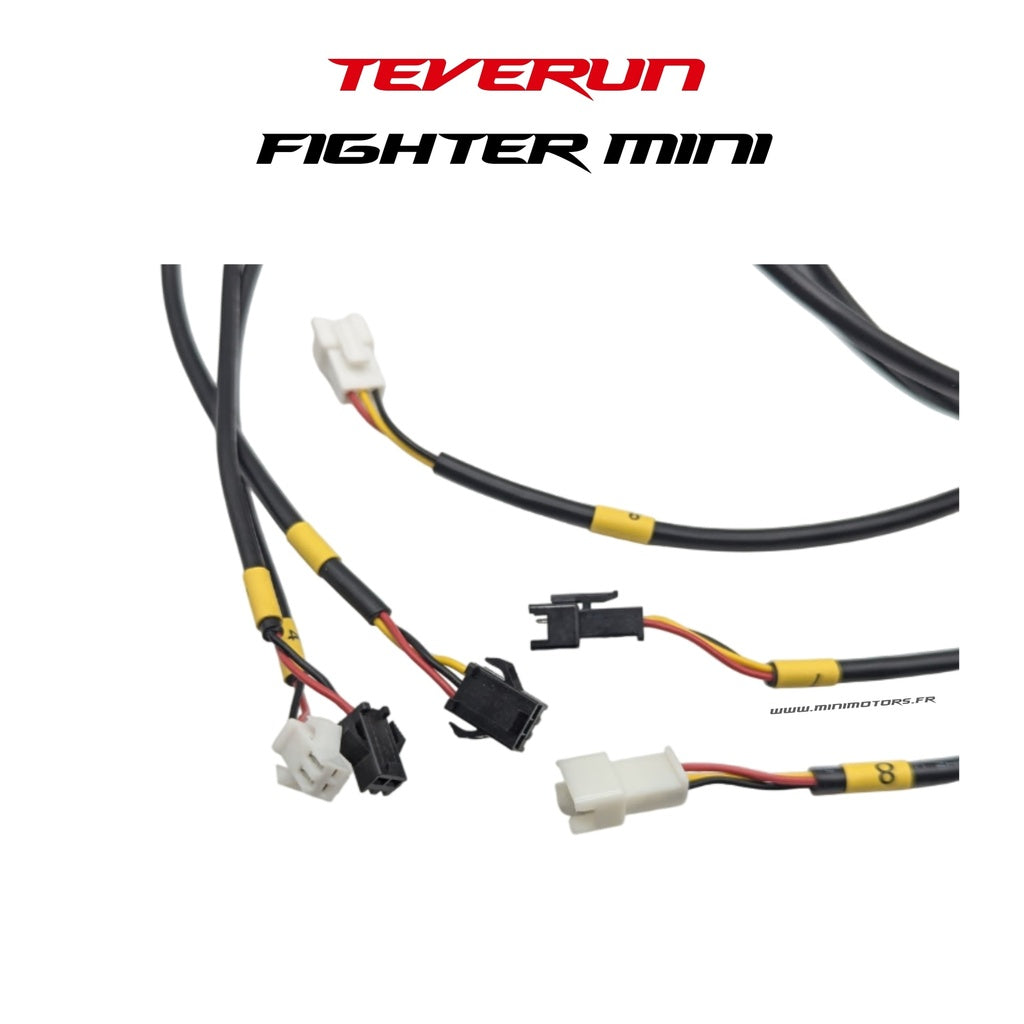
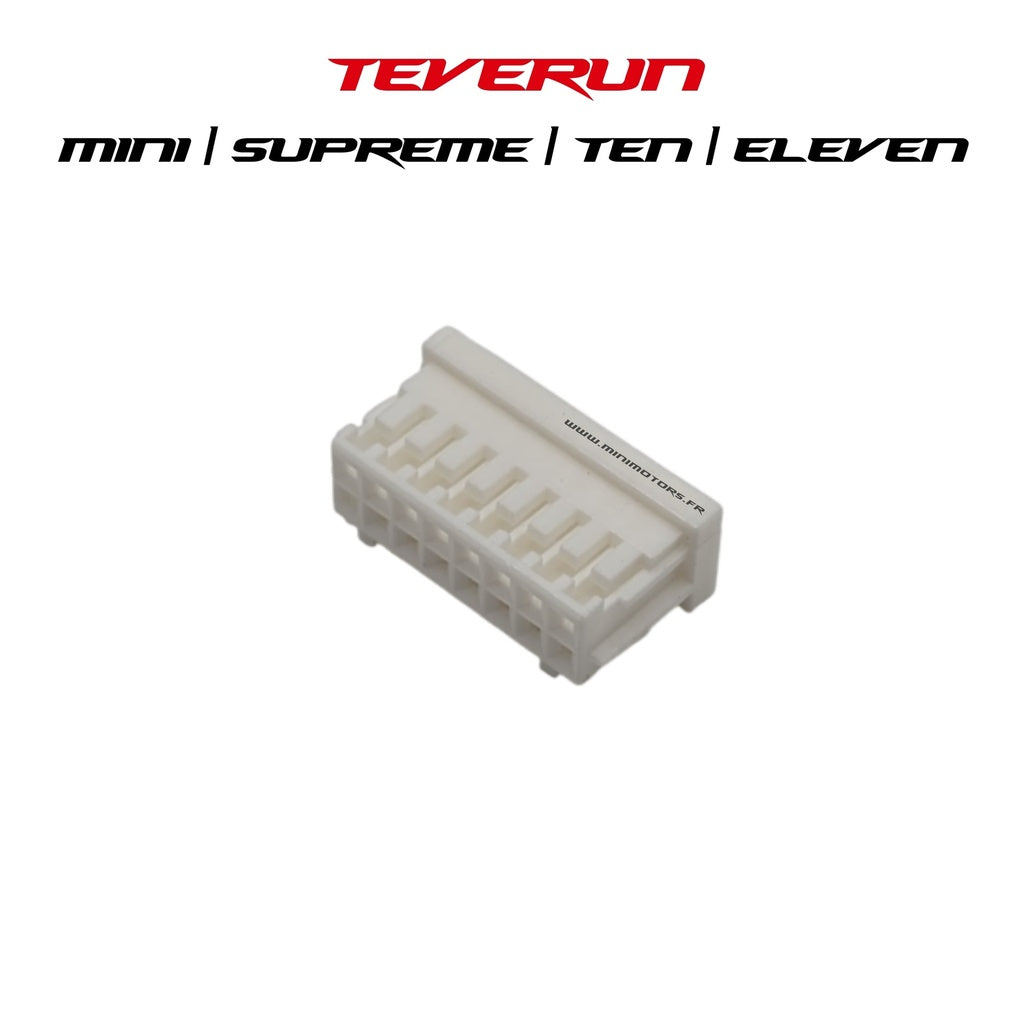
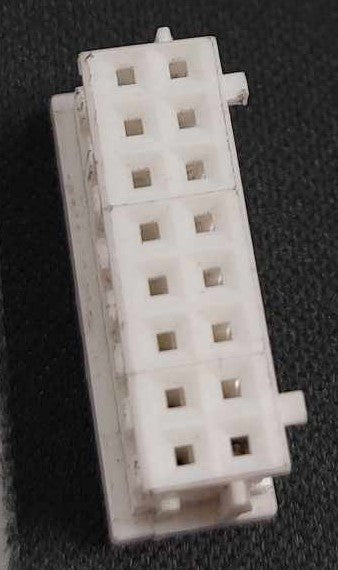
Electric scooter cables must match connector formats and voltage/current ratings. Common connector considerations include:
-
Waterproof connectors
-
Pin configuration (2-pin, 3-pin, 5-pin, etc.)
-
Voltage compatibility
-
Motor phase wire thickness
-
Brake sensor connectors
-
Display and controller interfaces
Using incompatible cables can lead to malfunctions, short circuits, or component damage.
Integration With Scooter Systems
Electric scooter cables interact with nearly every system:
-
Brake levers and calipers
-
Throttle and acceleration modules
-
Motors and controllers
-
Battery packs and charging ports
-
Lighting and indicators
-
Displays and dashboards
-
Sensors and alarms
-
GPS trackers and accessories
A reliable cable network ensures seamless system communication and consistent performance.
How to Install or Replace Electric Scooter Cables
-
Power off the scooter and disconnect the battery.
-
Remove handlebar grips or panels if necessary.
-
Identify and disconnect the old cable connectors carefully.
-
Route the new cable following the original path.
-
Secure with clips or cable ties without over-tightening.
-
Reconnect all connectors firmly and correctly.
-
Test braking, throttle response, lighting, and display before riding.
Correct installation prevents signal loss, friction damage, and premature wear.
Cable Maintenance and Safety Tips
-
Inspect cables regularly for fraying or cracking.
-
Keep connectors clean and dry.
-
Avoid sharp bends or excessive tension.
-
Replace damaged cables immediately.
-
Use waterproof grease for exposed connectors if needed.
-
Ensure cable routing does not interfere with steering or suspension.
Routine checks greatly reduce the risk of sudden system failures.
Performance and Riding Considerations
Cables directly influence multiple performance factors:
-
Braking Precision: Smooth mechanical cable tension improves stopping control.
-
Acceleration Response: Clean throttle wiring ensures instant power delivery.
-
Electrical Efficiency: High-quality motor cables reduce energy loss.
-
Reliability: Shielded wiring prevents signal interference.
-
Safety: Proper lighting cables ensure visibility in traffic.
-
Durability: Reinforced sheathing resists weather and vibration damage.
Upgrading cable quality can noticeably enhance responsiveness and system stability.
Frequently Asked Questions
When should I replace scooter cables?
If you notice fraying, stiffness, signal loss, delayed braking, flickering lights, or exposed wiring, replacement is recommended immediately.
Are universal cables safe to use?
Only if connector types, voltage ratings, and lengths are compatible with your scooter model.
Do cables affect performance?
Yes. Poor-quality or damaged cables can cause power loss, delayed response, or inconsistent braking.
Can I repair a damaged cable?
Minor outer sheath damage can sometimes be insulated, but internal wire damage usually requires full replacement for safety.
Which cable material is best?
Copper cores for electrical cables and stainless steel braided wires for mechanical brake cables provide the best balance of conductivity, strength, and longevity.
Why Buy Your Electric Scooter Cables from Vepace?
At Vepace, we specialize in premium electric scooter components engineered for safety, performance, and compatibility.
-
Wide range of brake, throttle, motor, display, and lighting cables
-
Compatible with leading brands such as Dualtron, Teverun, Kukirin, Kuickwheel, HERO, and more
-
Reinforced materials tested for vibration, weather, and heat resistance
-
Fast and reliable EU shipping
-
Customer support available 7/7 for technical advice
-
Clear compatibility guidance and installation support
Whether repairing worn wiring or upgrading for performance and reliability, Vepace ensures your scooter’s cable system remains secure, responsive, and built to last.