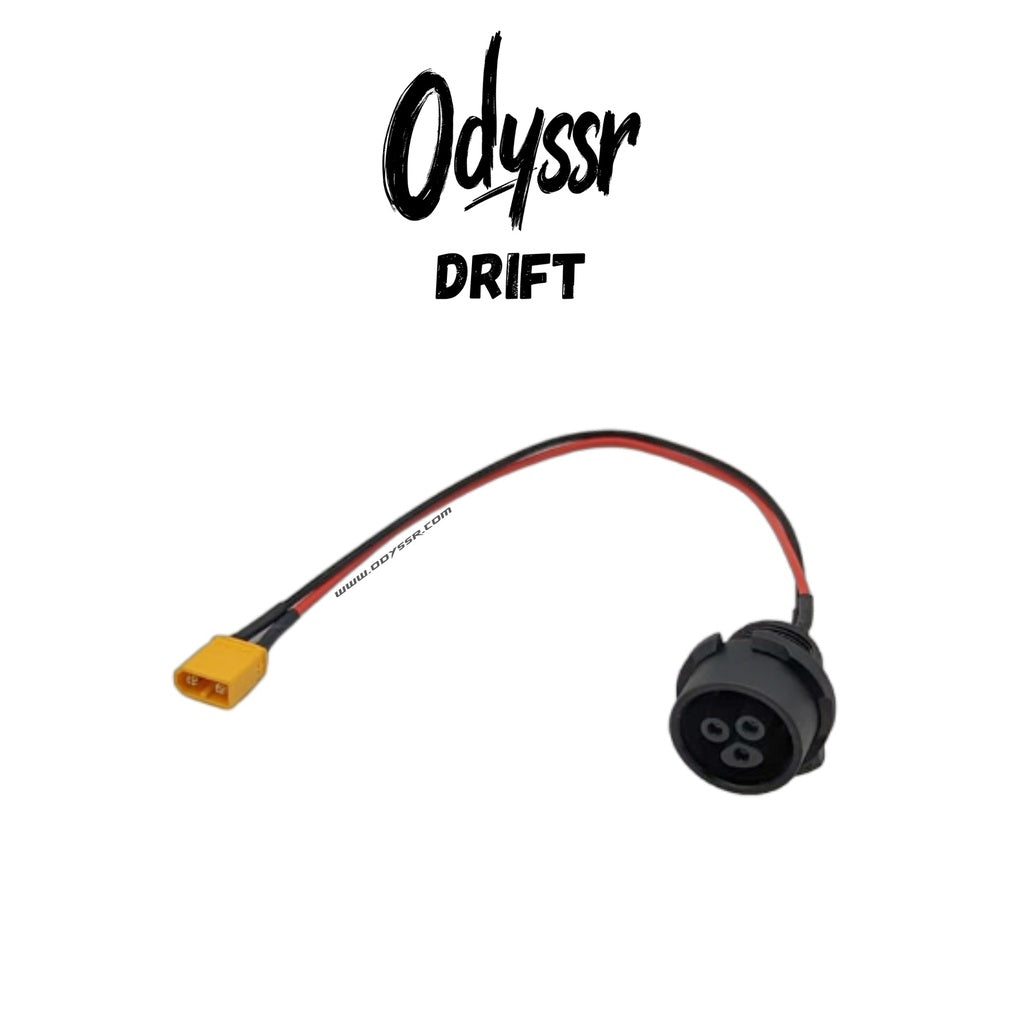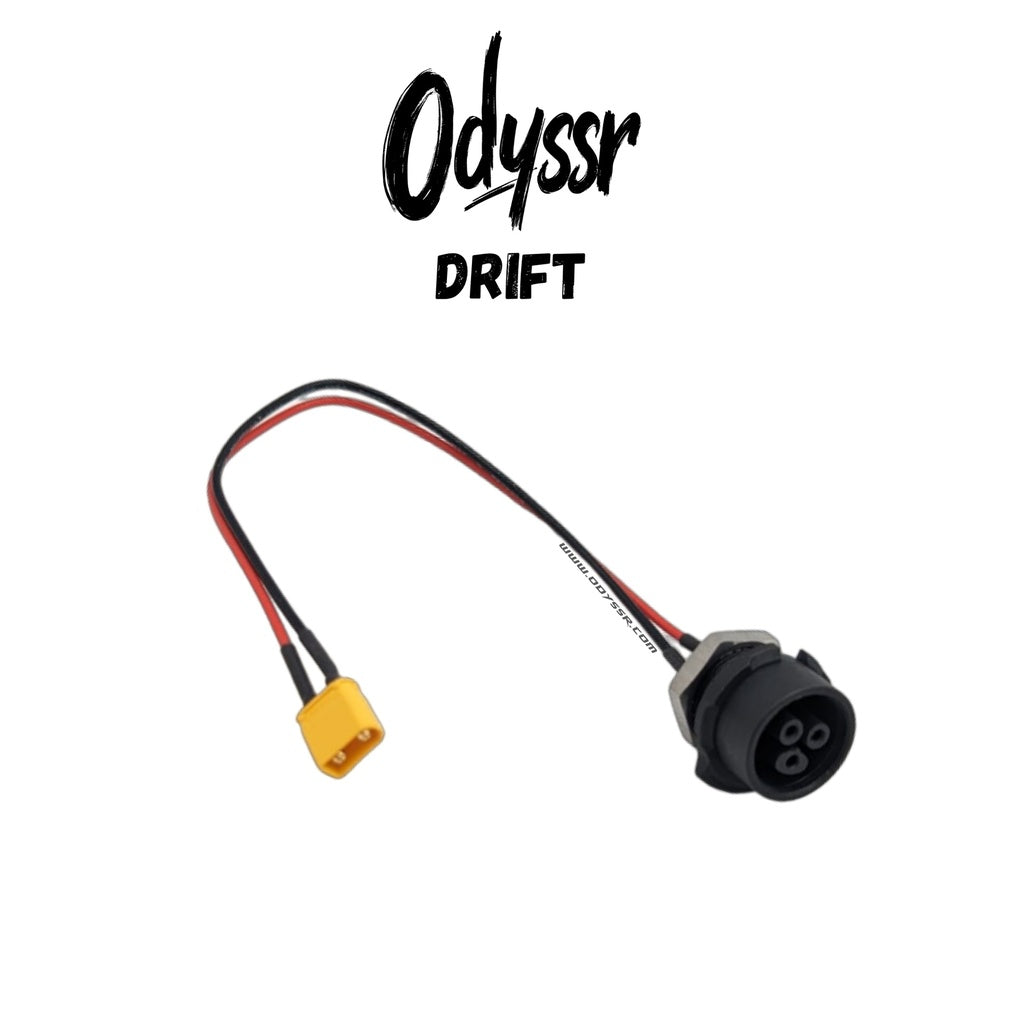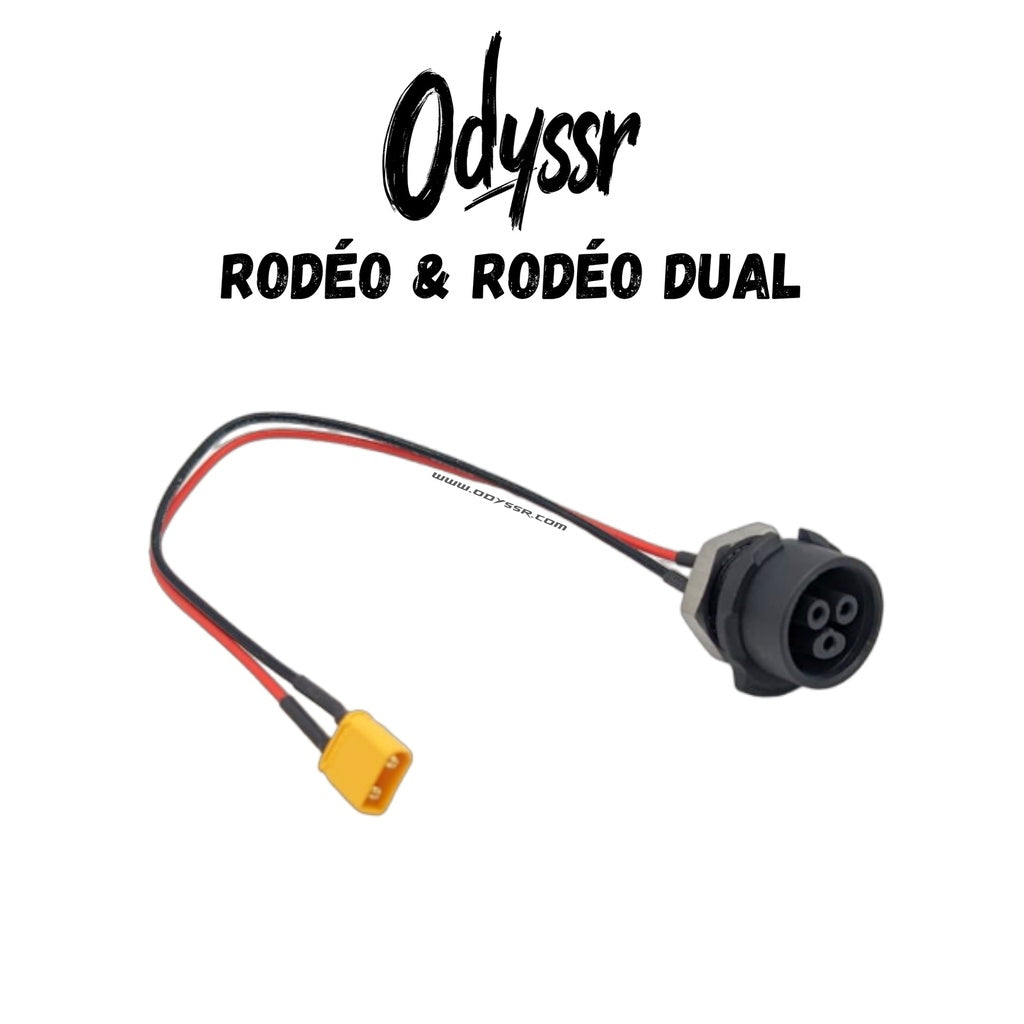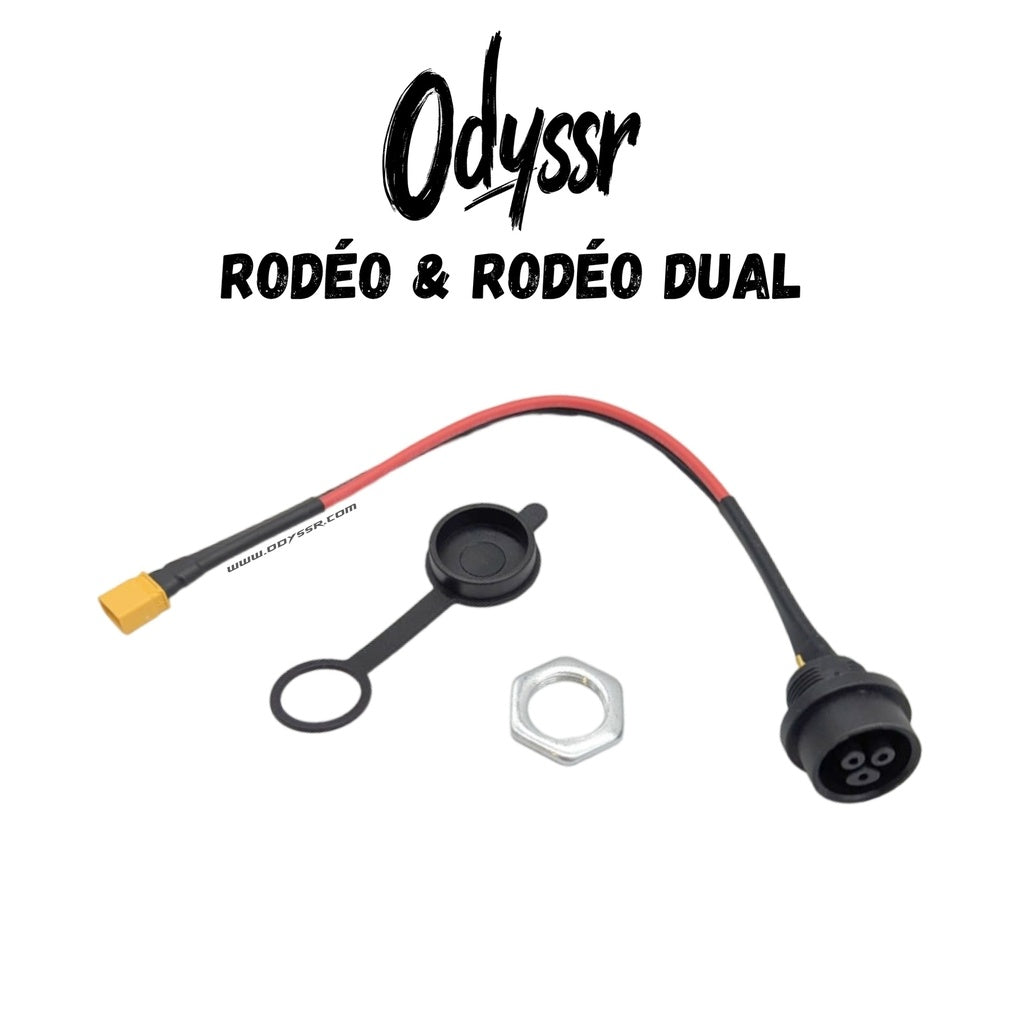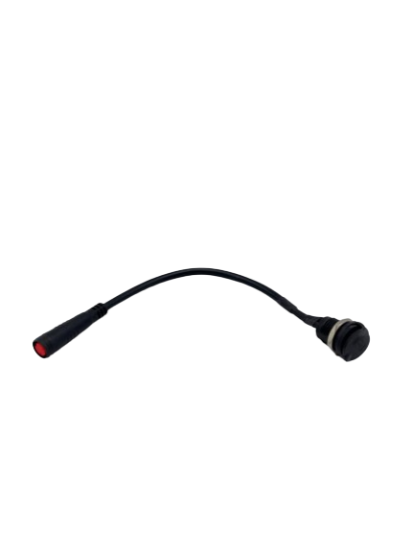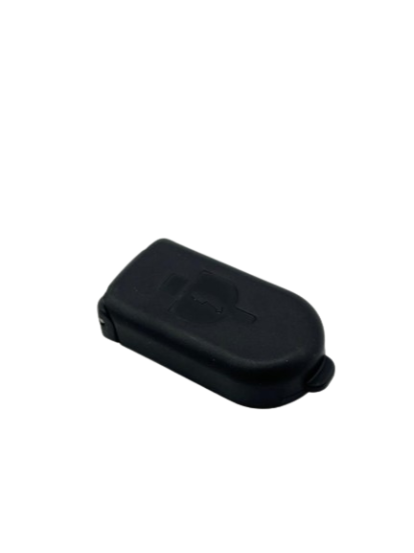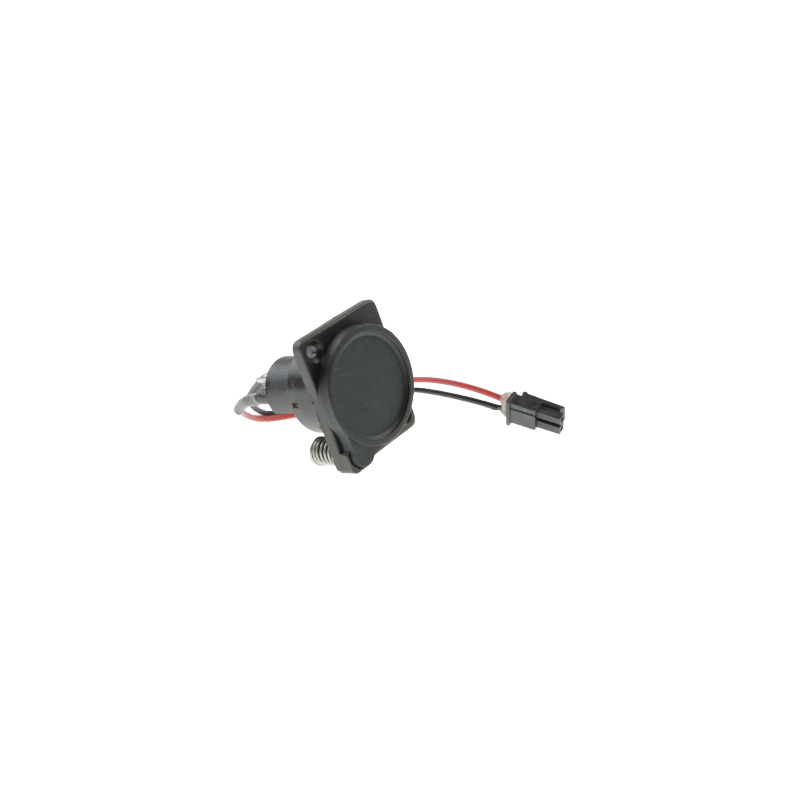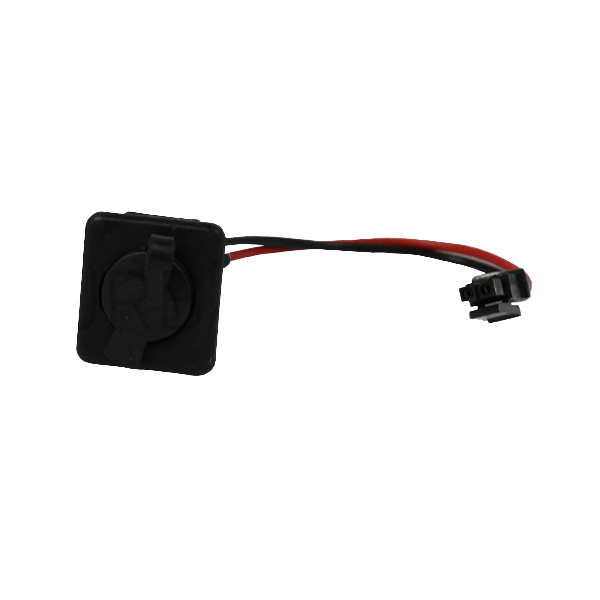
Electric Scooter Charging Ports & Connectors
45 products
Showing 1 - 24 of 45 products
Electric scooter charging ports and connectors are small but absolutely critical components that ensure safe, stable, and efficient energy transfer between the charger and the battery system. Without a reliable charging interface, even the most powerful battery or premium charger becomes useless. These parts directly influence charging speed, electrical safety, battery lifespan, and daily usability.
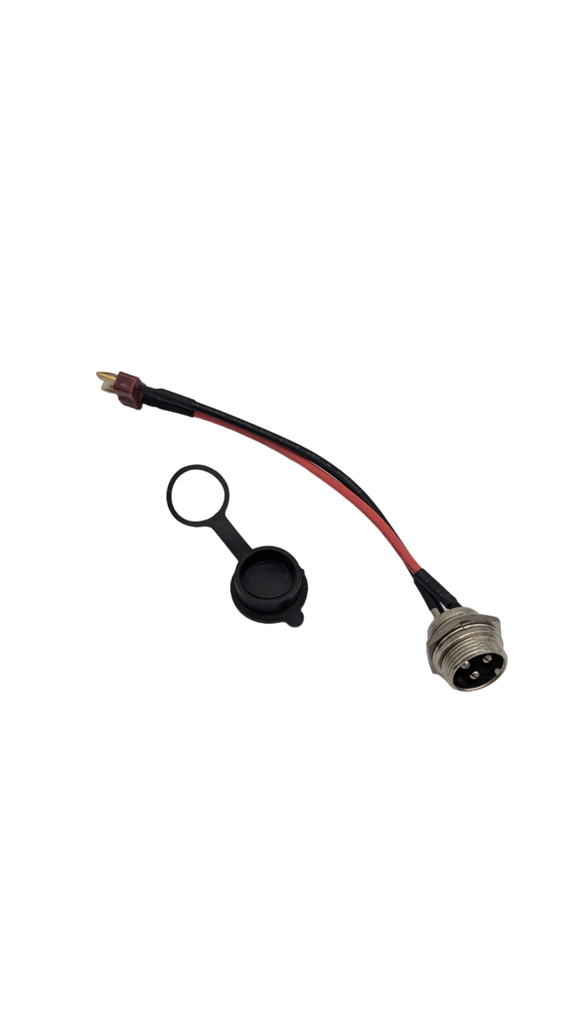
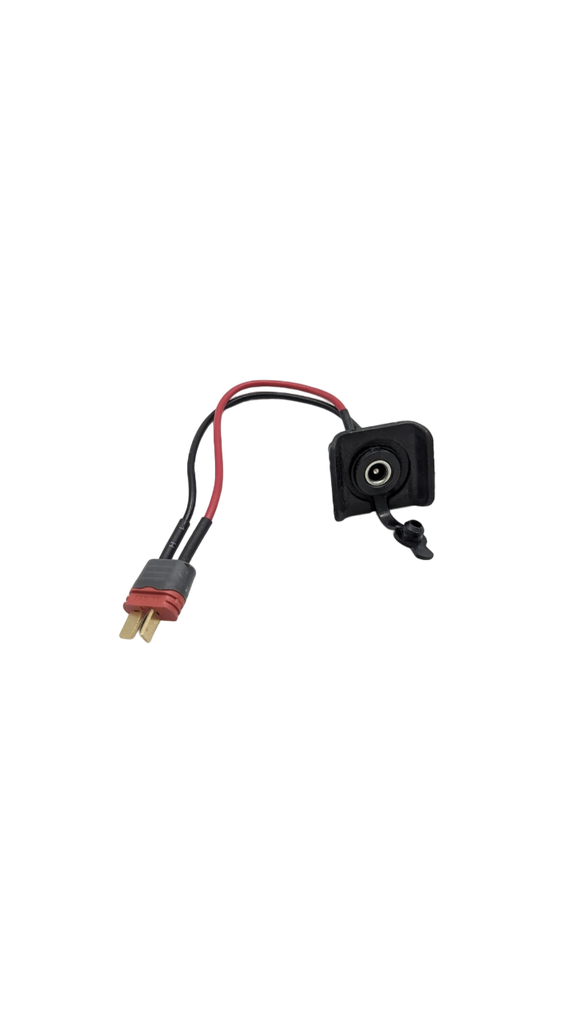
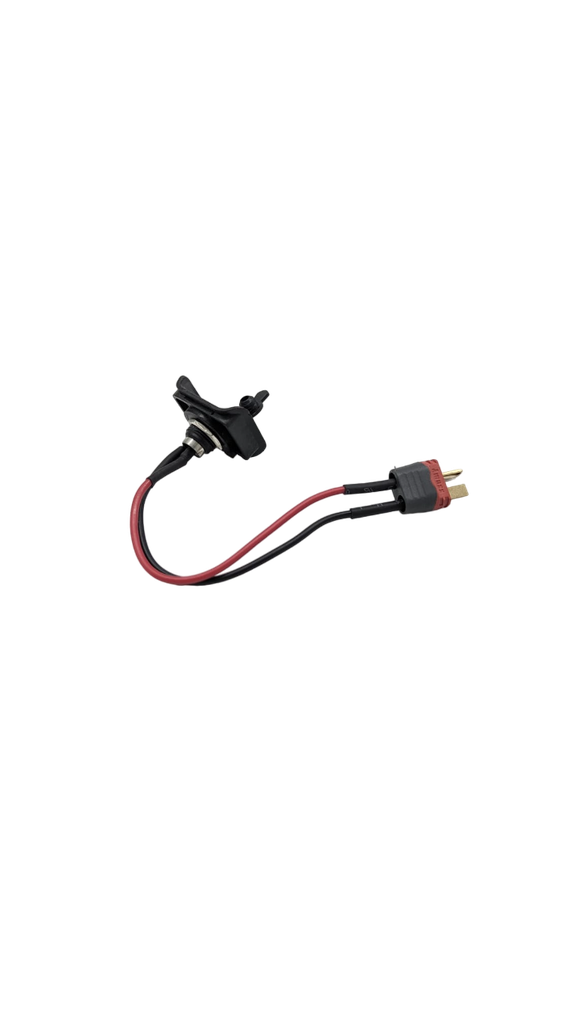
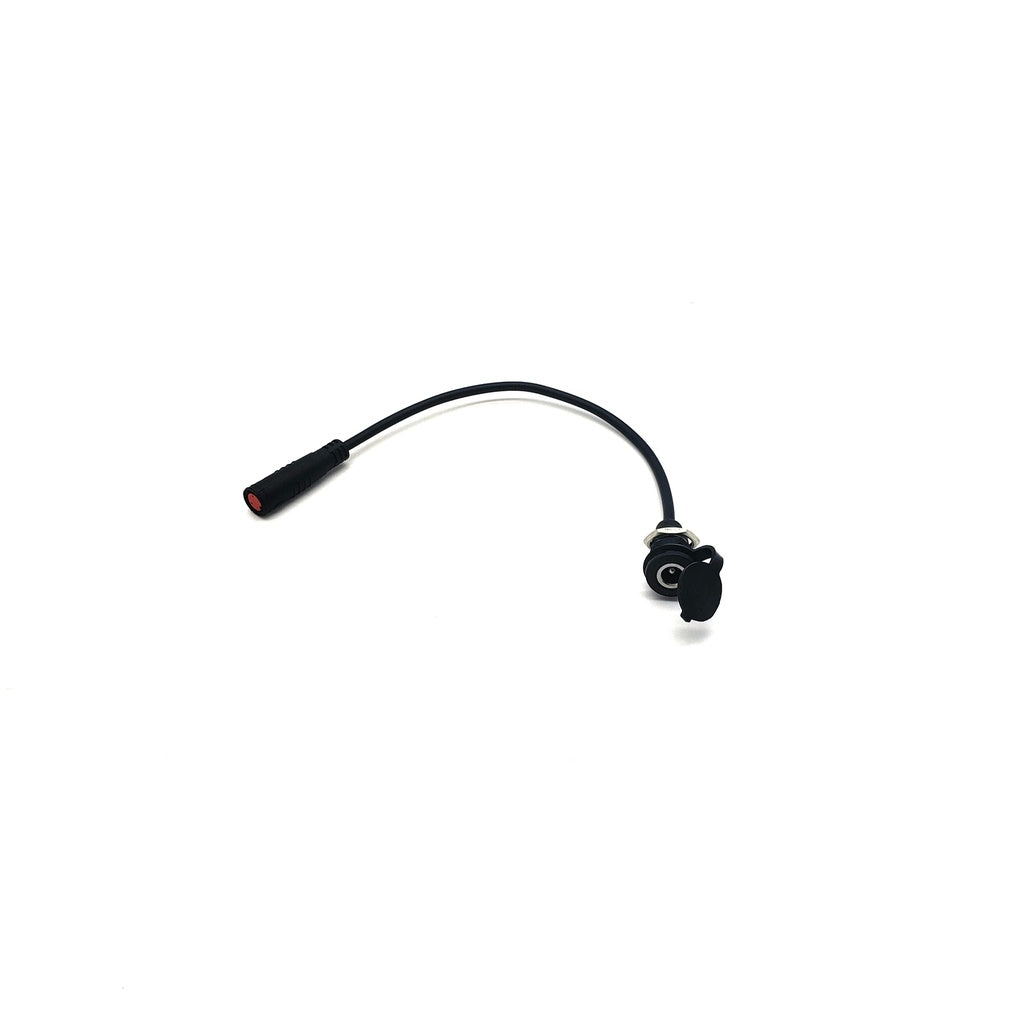
At Vepace, we provide a wide selection of electric scooter charging ports, charging sockets, connector cables, and power input modules compatible with leading brands such as Dualtron, Teverun, Kukirin, Kuickwheel, HERO, and many more. Whether you are replacing a worn charging socket, repairing a loose connector, upgrading to a waterproof port, or converting to a more robust plug standard, this collection covers both essential replacements and performance upgrades.
All Electric Scooter Charging Ports & Connectors in This Collection
Charging interfaces vary significantly depending on scooter voltage, charger power, and brand-specific electrical architecture. This collection is designed to cover both standard commuter scooters and high-voltage performance machines.
Standard Charging Ports
These are the most common DC input sockets found on 36V and 48V scooters. They are compact, affordable, and easy to replace, making them ideal for everyday urban scooters. Despite their simplicity, proper sealing and secure mounting are crucial to avoid power interruptions or short circuits.
High-Voltage Charging Connectors
Performance scooters running 60V, 72V, or even 84V systems require reinforced connectors capable of handling higher current without overheating. These connectors often include thicker pins, heat-resistant casings, and locking mechanisms to prevent accidental disconnection.
Magnetic Charging Ports
Magnetic connectors provide a modern and user-friendly solution. They automatically align when approaching the socket and detach safely if tension occurs, reducing cable damage and port stress. They are increasingly popular for premium scooters and riders who charge frequently.
Waterproof & Sealed Charging Sockets
Designed for riders in rainy or humid climates, these ports include rubber caps, silicone seals, or threaded covers that prevent water intrusion. Waterproof charging systems significantly reduce the risk of corrosion and battery damage.
Dual Charging Ports
High-capacity scooters sometimes include dual input ports, allowing two chargers to be connected simultaneously. This reduces charging time and is especially useful for delivery riders or long-distance commuters who need faster turnaround.
Connector Cables & Adapter Modules
This category includes extension cables, plug converters, wiring harnesses, and adapter connectors that allow compatibility between different charger standards or scooter models. They are essential for upgrades or cross-brand repairs.
What Are Electric Scooter Charging Ports & Connectors?
Charging ports and connectors form the electrical gateway between the charger and the battery pack. They regulate how current enters the scooter, ensuring controlled power flow and preventing electrical hazards.
Their roles include:
-
Safe battery charging
-
Power input regulation
-
Electrical contact stability
-
Waterproof sealing
-
Connector alignment and locking
-
Heat resistance during charging cycles
A damaged or loose charging port can lead to slow charging, overheating, intermittent power flow, or complete charging failure.
Electrical Standards and Voltage Compatibility
One of the most important considerations when selecting a charging connector is voltage and amperage compatibility. Electric scooters commonly operate at 36V, 48V, 52V, 60V, 72V, and up to 84V. Using an incompatible connector may result in overheating, melting insulation, or controller damage.
High-quality connectors are rated for specific amperage ranges and include reinforced copper pins or gold-plated contacts that maintain conductivity and reduce resistance. Proper rating ensures both safety and optimal charging efficiency.
Materials and Construction Quality
Charging connectors must endure repeated plugging cycles, outdoor exposure, and thermal stress. Premium ports are manufactured using flame-retardant ABS or polycarbonate shells, corrosion-resistant metal pins, and reinforced solder points.
Additional quality elements include:
-
Heat-resistant insulating layers
-
Rubber or silicone waterproof caps
-
Anti-spark contact design
-
Thick copper conductors
-
Reinforced strain-relief cable ends
These features extend lifespan and reduce the likelihood of electrical faults.
Waterproofing and Environmental Protection
Charging ports are often positioned low on the deck or side panel, making them vulnerable to water splashes and dust. A poorly sealed port can allow moisture into the battery compartment, leading to corrosion or short circuits.
Waterproof connectors include screw-on caps, magnetic sealing flaps, or gasket-sealed mounting plates. For riders in rainy climates or winter conditions, waterproof ports are not optional — they are a long-term reliability investment.
Charging Speed and Efficiency
The connector itself can influence charging efficiency. High-resistance or worn contacts may slow charging or cause heat buildup. Reinforced connectors with thick pins and low resistance paths enable smoother current flow and support higher-amp chargers safely.
Dual charging ports or upgraded connectors can significantly reduce total charging time, especially for scooters with large battery capacities.
Safety Features and Anti-Spark Design
Modern connectors often include anti-spark technology, which prevents sudden electrical discharge when plugging in the charger. This reduces connector wear, protects internal circuitry, and improves user safety.
Locking connectors or threaded ports also prevent accidental unplugging during charging, reducing stress on both cable and socket.
Installation and Replacement
Replacing a charging port is generally straightforward but requires careful wiring and insulation. Typical steps include disconnecting the battery, removing the old socket, soldering or reconnecting wires, sealing the new port, and testing voltage continuity.
Ensuring tight sealing and proper polarity alignment is critical to avoid electrical damage. When upgrading to a different connector type, adapter modules or wiring harness modifications may be necessary.
Maintenance and Inspection Tips
Regular inspection helps prevent sudden charging failures. Cleaning dust from the socket, checking pin alignment, ensuring the rubber cap is intact, and avoiding excessive cable tension greatly extend connector lifespan.
Keeping connectors dry and protected when not in use is one of the simplest ways to preserve battery health.
Signs You Should Replace a Charging Port or Connector
Replacement becomes necessary when you notice loose connections, intermittent charging, overheating near the socket, bent pins, corrosion marks, or visible cracking in the plastic housing. Slow charging or charger disconnection without movement is also a strong indicator of port wear.
Ignoring these signs can damage both the battery and charger over time.
Ideal Use Cases and Upgrade Scenarios
Urban commuters benefit from waterproof sealed ports for daily reliability. Delivery riders and long-distance users often upgrade to dual charging ports to reduce downtime. Performance scooter owners may switch to reinforced high-amperage connectors to handle larger battery systems safely.
Each upgrade scenario improves either safety, speed, or convenience — often all three.
Why Buy Electric Scooter Charging Ports & Connectors from Vepace?
-
Wide compatibility with Dualtron, Teverun, Kukirin, Kuickwheel, HERO & more
-
Connectors compatible with voltages up to 84V
-
Reinforced high-amperage and anti-spark options
-
Waterproof sealed charging sockets
-
Magnetic and dual-port upgrade solutions
-
Durable heat-resistant materials
-
Fast and secure EU shipping
-
Clear installation and compatibility guidance
-
Customer service available 7/7
-
Specialized expertise in electric scooter electronics