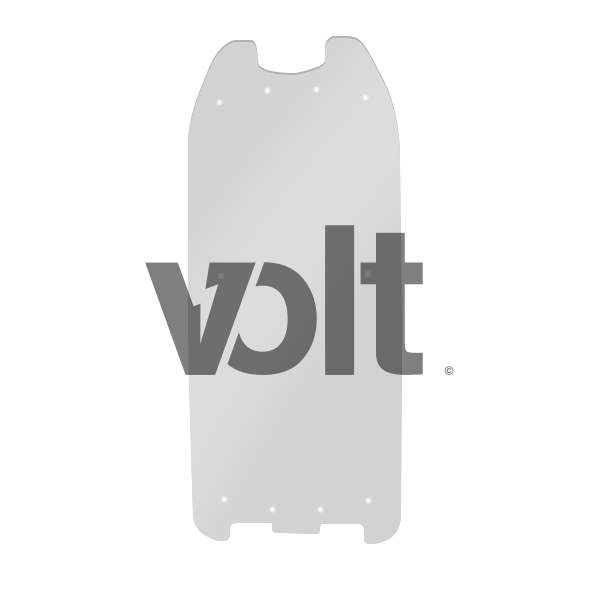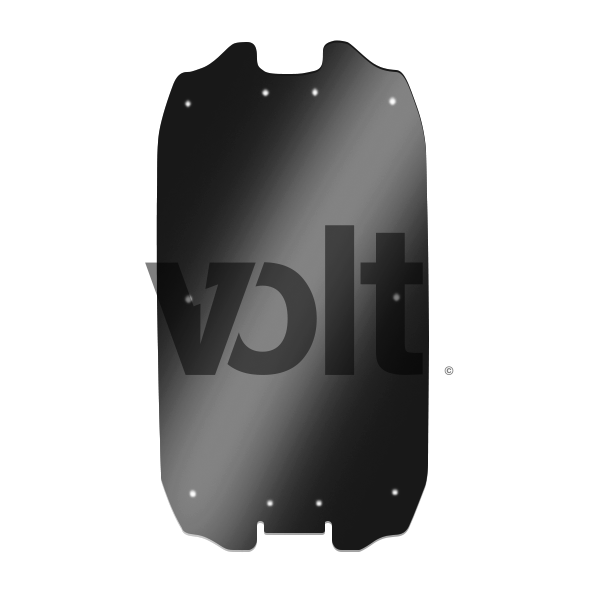

Electric Scooter Deck, Grips and Chassis
177 products
Showing 121 - 144 of 177 products
Electric scooter decks, grips, and chassis components form the core structural and ergonomic foundation of every scooter. These parts are responsible for rider stability, comfort, weight distribution, vibration control, and the overall strength of the vehicle. While motors and batteries define performance, the deck and chassis define how safe, comfortable, and durable the ride actually feels.
At Vepace, we offer a broad and carefully selected range of electric scooter decks, grip tapes, frame parts, and chassis structures compatible with leading brands such as Dualtron, Teverun, Kukirin, Kuickwheel, HERO, and many more. Whether you are restoring a worn platform, upgrading to a reinforced aluminum deck, replacing a cracked chassis, or improving foot grip for wet conditions, this collection is designed to cover both functional and aesthetic upgrades.
All Electric Scooter Decks, Grips & Chassis in This Collection
This is one of the most comprehensive collections because it touches the scooter’s primary load-bearing and rider-contact zones. Each component contributes differently to safety and riding experience.
Electric Scooter Decks
The deck is the flat platform where the rider stands. It also often houses the battery, controller, wiring, and structural reinforcements. A high-quality deck must balance strength, waterproofing, and comfort.
Deck upgrades can dramatically change ride feel. Wider decks provide more foot stability, while reinforced aluminum decks increase load capacity and rigidity for high-performance scooters. Some decks also integrate lighting strips, anti-slip coatings, or cable channels for a cleaner build.
Common deck types include:
-
Standard commuter decks for lightweight scooters
-
Reinforced performance decks for dual-motor models
-
Wide comfort decks for long-distance riding
-
Carbon-style decks for aesthetic upgrades
-
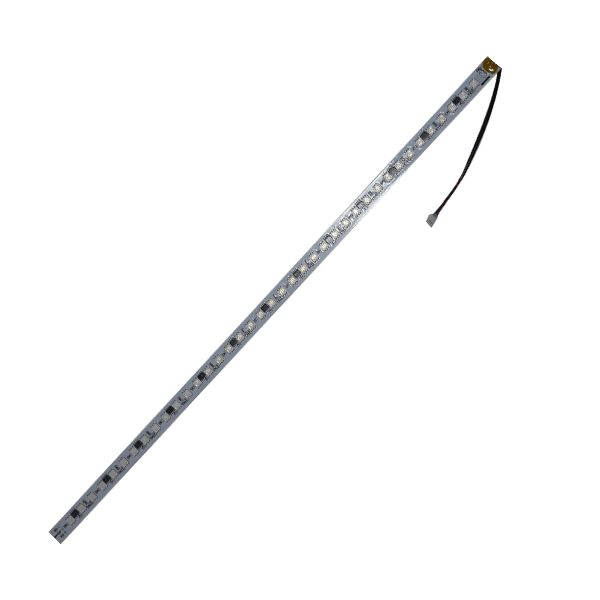
LED-integrated decks for visibility and style
A damaged or flexible deck reduces stability and can lead to internal component exposure, making replacement essential when structural cracks or bending appear.
Electric Scooter Grips & Grip Tapes
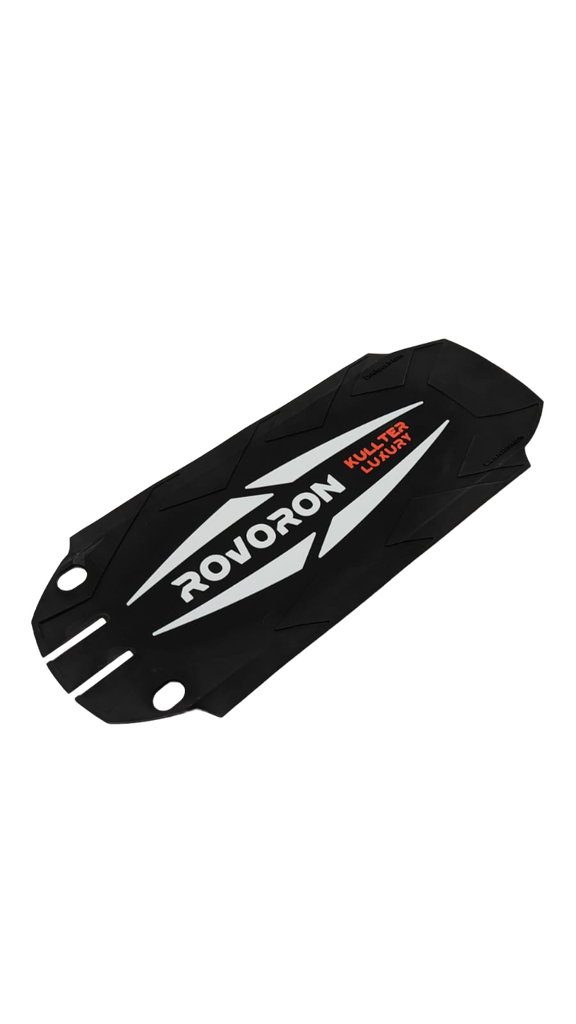
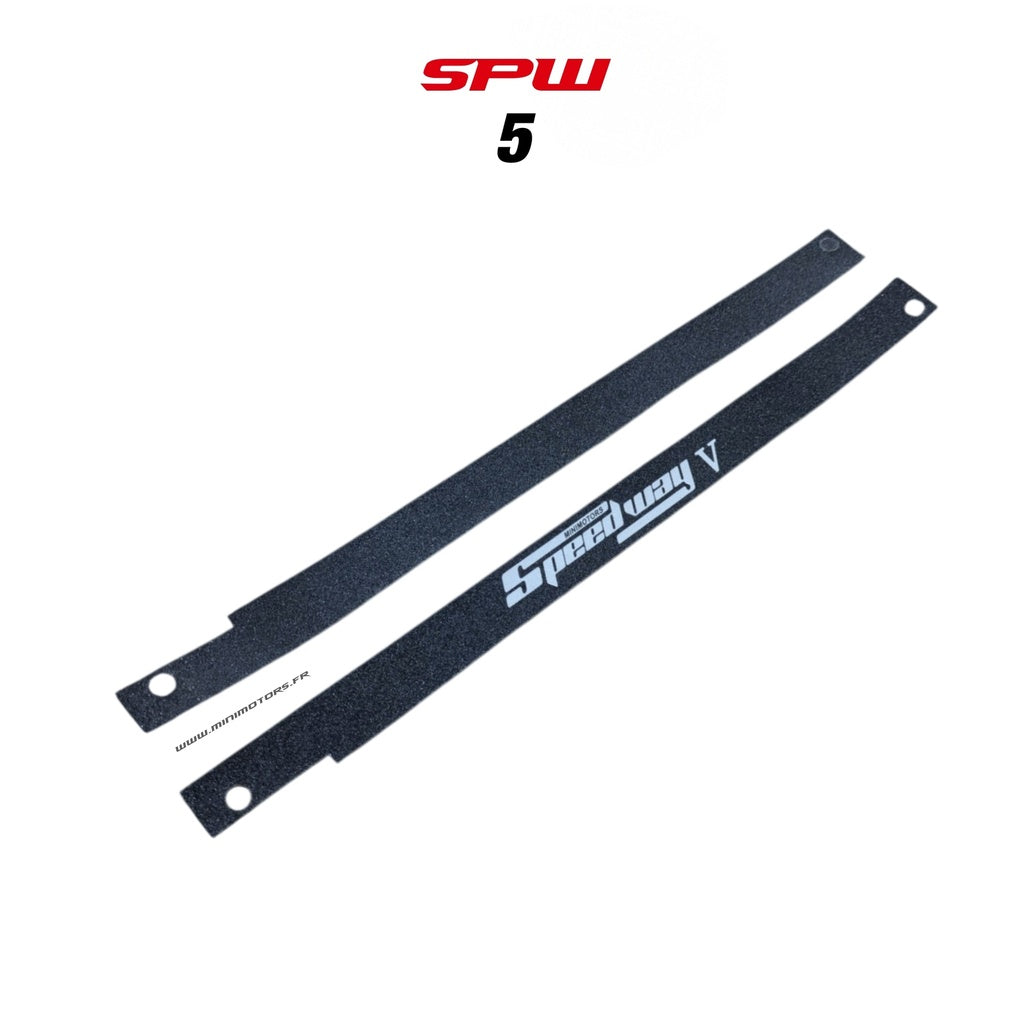
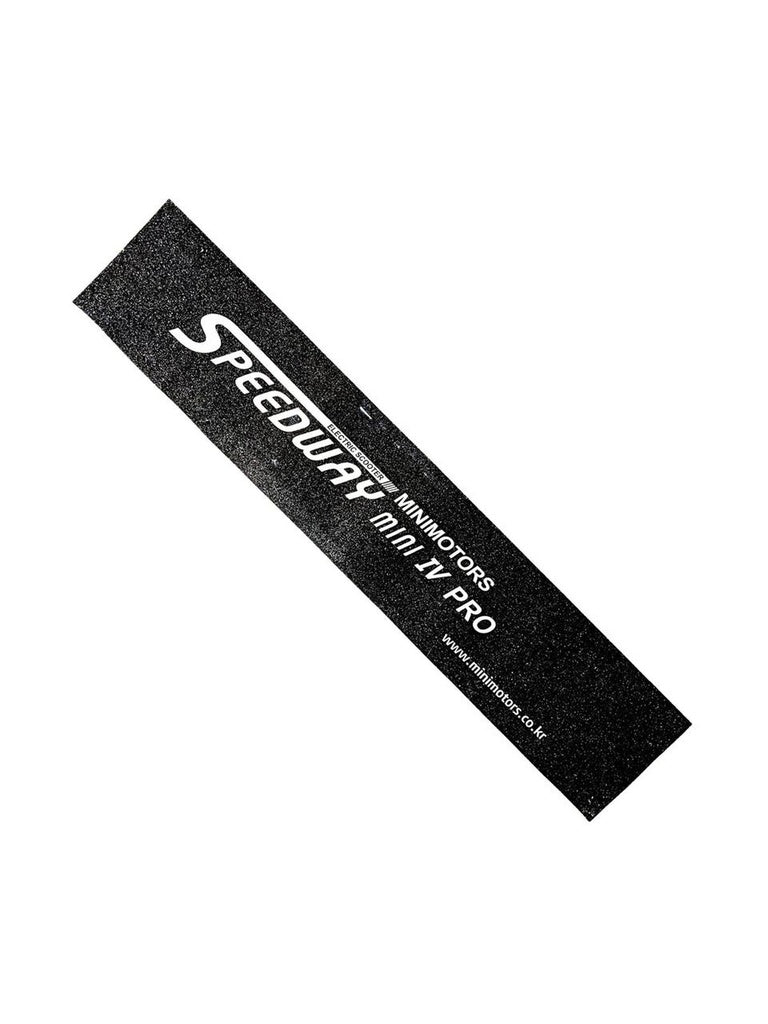
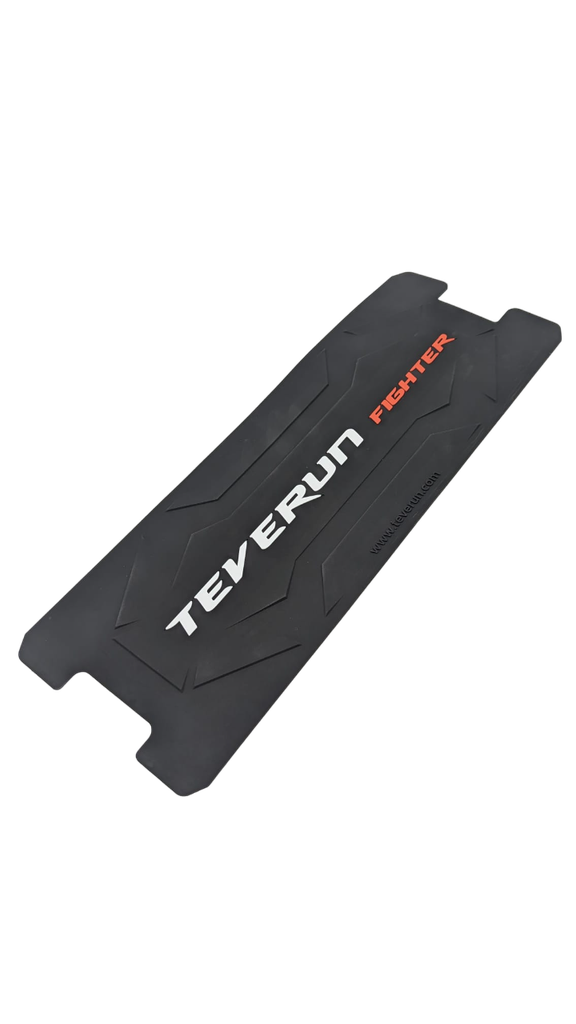
Grips are often underestimated, yet they directly influence control and rider confidence. Grip tapes and deck pads provide traction between the rider’s shoes and the scooter surface, especially during braking or wet weather.
Grip improvements help prevent slipping and reduce foot fatigue. High-quality grip tapes feature abrasion-resistant textures, waterproof adhesives, and shock-absorbing foam layers.
Grip options may include:
-
Classic sandpaper-style grip tapes
-
Rubber anti-slip deck mats
-
Foam comfort pads
-
Honeycomb traction surfaces
-
Custom design grip sheets
Replacing worn grip tape is one of the simplest upgrades that can significantly improve safety and comfort.
Electric Scooter Chassis & Frame Structures
The chassis is the skeletal frame that connects every structural component — deck, steering column, suspension, wheels, and motor mounts. It absorbs mechanical stress from acceleration, braking, and terrain impact.
Chassis upgrades or replacements are usually required after accidents, structural fatigue, or long-term heavy usage. A strong frame ensures alignment accuracy, prevents wobble, and increases lifespan for high-voltage scooters.
Chassis elements may include:
-
Main frame beams
-
Reinforced side rails
-
Suspension mounting brackets
-
Folding hinge supports
-
Structural crossbars
Performance scooters benefit greatly from thicker alloy frames and precision-welded joints that resist torsion at high speeds.
Materials and Structural Engineering
Decks and chassis components are engineered using materials chosen for their balance between weight and strength. Aircraft-grade aluminum is the most common due to its corrosion resistance and rigidity. Reinforced steel is used in heavy-duty chassis areas, while composite and carbon-style finishes provide lightweight aesthetic upgrades.
Important construction features include CNC-machined edges, anti-corrosion coatings, reinforced weld seams, vibration-absorbing internal ribs, and waterproof gasket channels. These design choices directly influence longevity and ride stability.
Comfort, Ergonomics & Riding Stability
Deck width, grip texture, and chassis rigidity strongly affect posture and fatigue levels. A wider platform allows better foot positioning and balance, while soft grip mats reduce vibration transfer to the legs. Reinforced chassis structures maintain alignment, ensuring predictable steering and braking behavior.
For long-distance commuters and performance riders, ergonomic upgrades can make a significant difference in daily comfort.
Waterproofing & Internal Protection
Deck housings often double as protective shells for batteries and controllers. Proper sealing prevents water infiltration that could damage electronics. Rubber gaskets, silicone seals, and precision screw alignment all contribute to water resistance.
Riders in rainy climates especially benefit from well-sealed deck assemblies that keep internal systems dry and reliable.
Compatibility and Fitment Considerations
Because decks and chassis parts are structural, precise compatibility is essential. Important factors include deck length, screw pattern alignment, battery size clearance, suspension geometry, steering column mounts, and wheelbase dimensions. Even minor mismatches can lead to vibration or unsafe structural stress.
Model-specific components always provide better alignment and rigidity than universal alternatives.
Installation and Replacement
Replacing a deck or chassis component is more complex than changing accessories, but still achievable with proper tools and patience. The process usually involves removing screws, disconnecting internal wiring, aligning new mounting points, and resealing waterproof gaskets.
Even pressure distribution when tightening bolts is critical to avoid warping or uneven stress. Professional installation is recommended for full chassis replacements, especially on high-performance scooters.
Maintenance and Inspection Tips
Regular inspection of the deck surface, grip condition, and frame joints helps detect early wear. Cleaning grip tapes, tightening deck screws, checking weld seams, and inspecting for micro-cracks greatly extend component lifespan and rider safety.
Small preventive actions can prevent major structural failures.
Signs You Should Replace Deck, Grips or Chassis Parts
Replacement becomes necessary when visible cracks, bending, excessive flex, persistent vibration, slipping grip surfaces, or water infiltration appear. Structural fatigue or repeated loosening of deck screws also indicate compromised integrity.
Upgrading before complete failure ensures both safety and long-term cost savings.
Riding Profiles and Ideal Upgrades
Urban commuters benefit from lightweight decks with strong grip tapes for daily comfort. Performance riders often choose reinforced aluminum decks and thicker chassis beams for speed stability. Off-road users prefer wider platforms with shock-absorbing grip pads, while aesthetic enthusiasts opt for carbon-style finishes and LED-integrated decks.
Each profile prioritizes a different balance between strength, weight, comfort, and appearance.
Why Buy Electric Scooter Decks, Grips & Chassis from Vepace?
-
Wide compatibility with Dualtron, Teverun, Kukirin, Kuickwheel, HERO & more
-
Reinforced aluminum and performance-grade frame options
-
High-traction grip tapes and comfort deck mats
-
Waterproof sealing designs for battery protection
-
Structural precision and vibration-resistant construction
-
LED-integrated and aesthetic upgrade choices
-
Fast and secure EU shipping
-
Clear compatibility and installation guidance
-
Customer service available 7/7
-
Specialized expertise in electric scooter structural components