
Electric Scooter Hydraulic Brakes
15 products
Showing 1 - 15 of 15 products
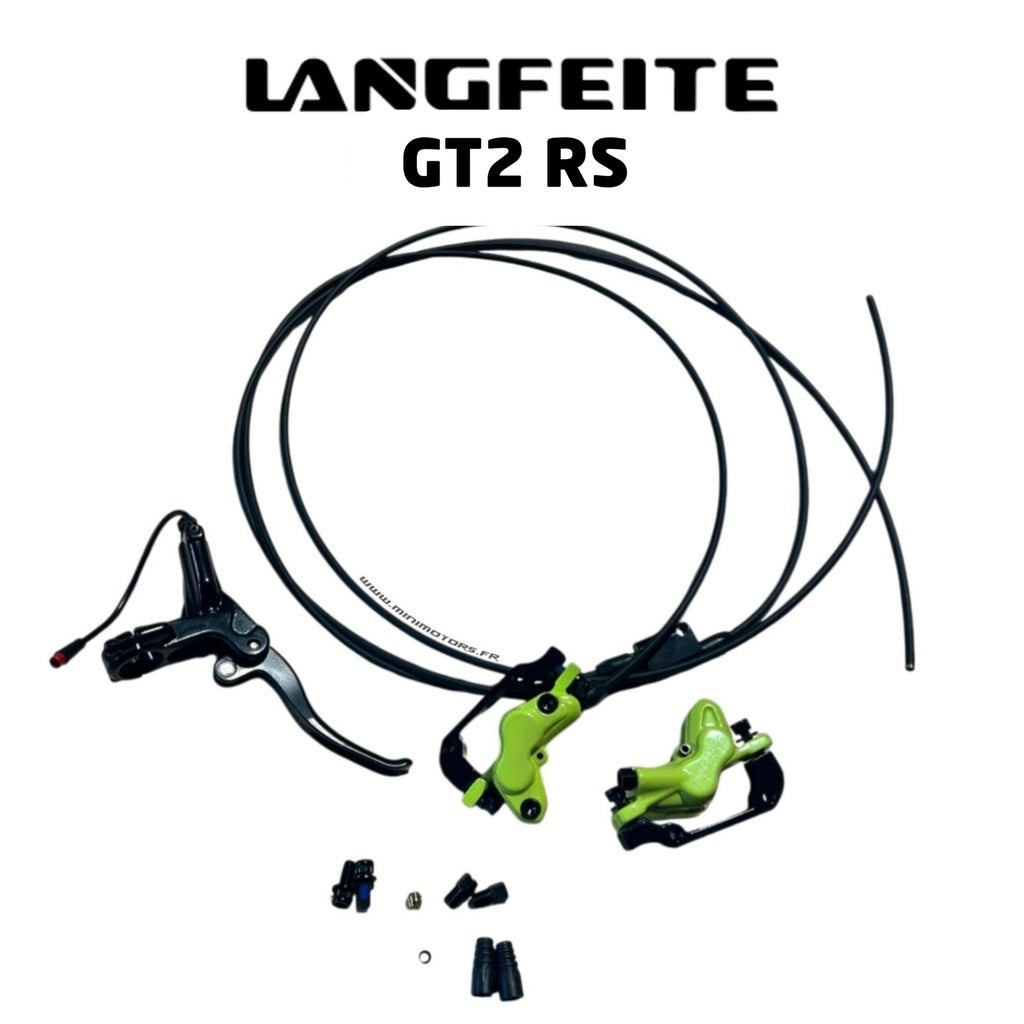
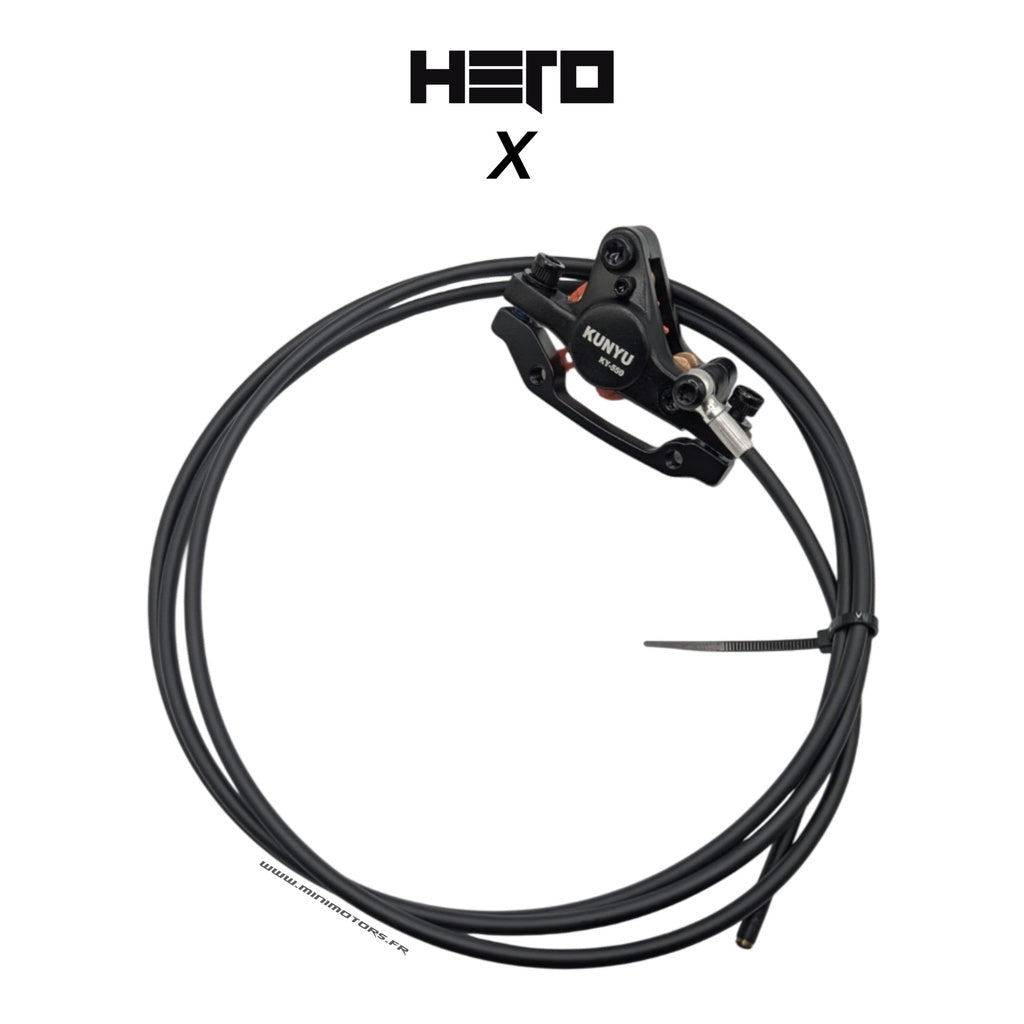
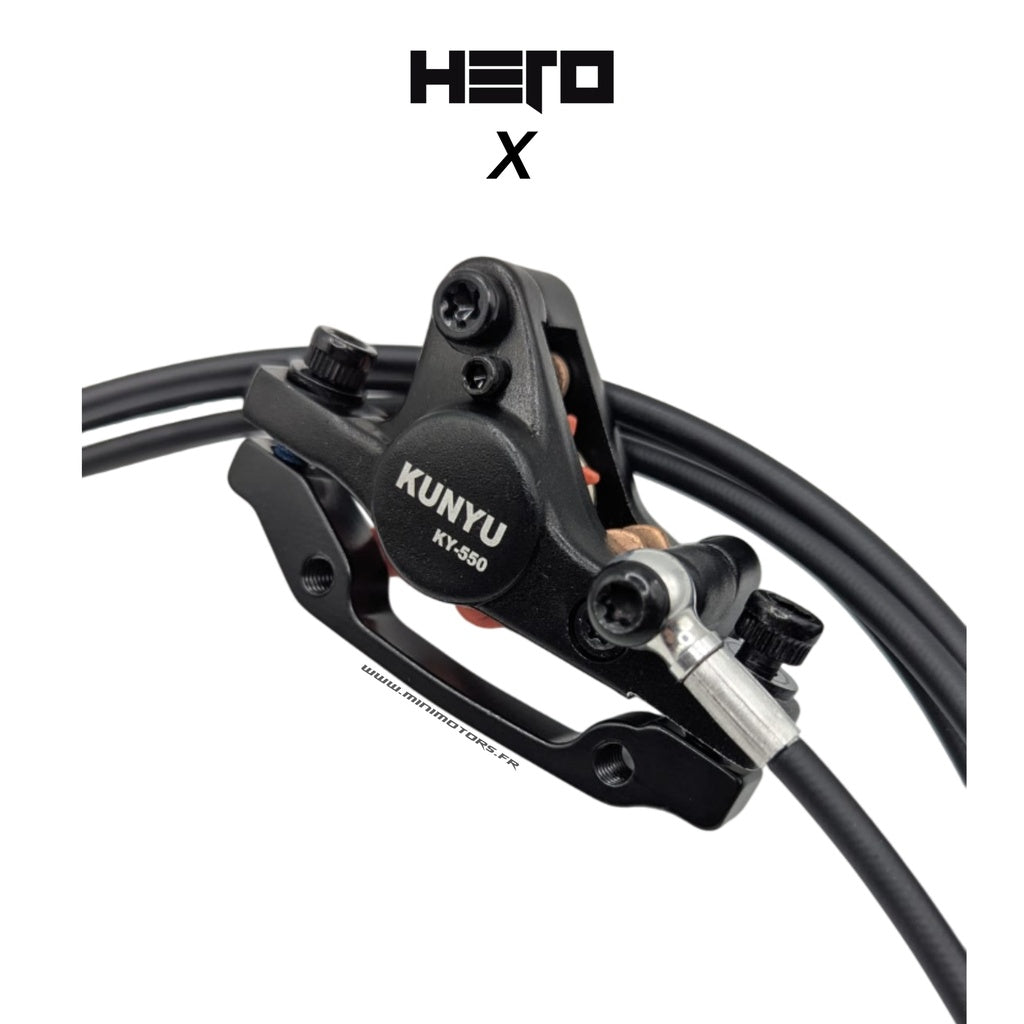
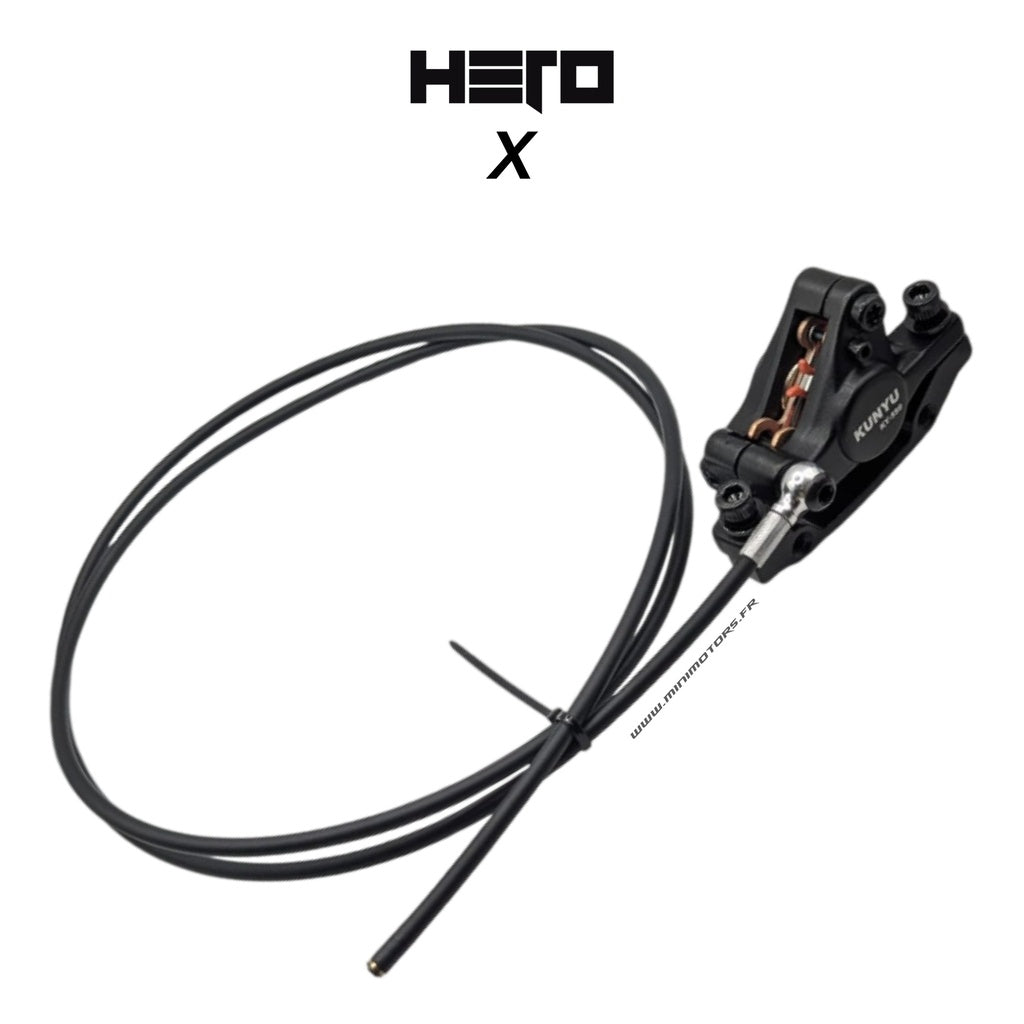
Electric scooter hydraulic brakes are high-performance braking systems designed to deliver powerful, smooth, and highly consistent stopping force in all riding conditions. Unlike mechanical cable brakes, hydraulic systems use pressurized fluid to transfer force from the brake lever to the caliper, resulting in stronger braking precision, reduced hand fatigue, and superior modulation. At Vepace, we offer a premium selection of electric scooter hydraulic brake systems built for durability, safety, and compatibility with leading brands such as Dualtron, Teverun, Kukirin, Kuickwheel, HERO, and many more.
For riders using powerful scooters, long-distance commuters, or anyone demanding maximum braking reliability, hydraulic brakes are considered one of the most impactful safety upgrades available. They significantly improve control during high-speed riding, downhill descents, and emergency braking scenarios.
What Makes Hydraulic Brakes Different?
Hydraulic brakes stand apart from traditional cable systems because they rely on sealed fluid pressure rather than mechanical tension. This difference changes the entire braking experience.
Fluid-Based Power Transfer
When the rider pulls the brake lever, hydraulic fluid is compressed inside a sealed hose. This pressure activates the caliper pistons with greater force and uniformity than a cable system.
Consistent Braking Modulation
Hydraulic brakes provide smoother and more predictable braking. Riders can apply light pressure for gradual deceleration or stronger force for rapid stops without sudden jolts.
Reduced Hand Fatigue
Because the system multiplies force efficiently, less hand strength is required, making hydraulic brakes ideal for long commutes and high-speed scooters.
Automatic Pad Alignment
Many hydraulic calipers self-adjust as brake pads wear, maintaining optimal spacing and reducing manual maintenance.
Components of a Hydraulic Brake System
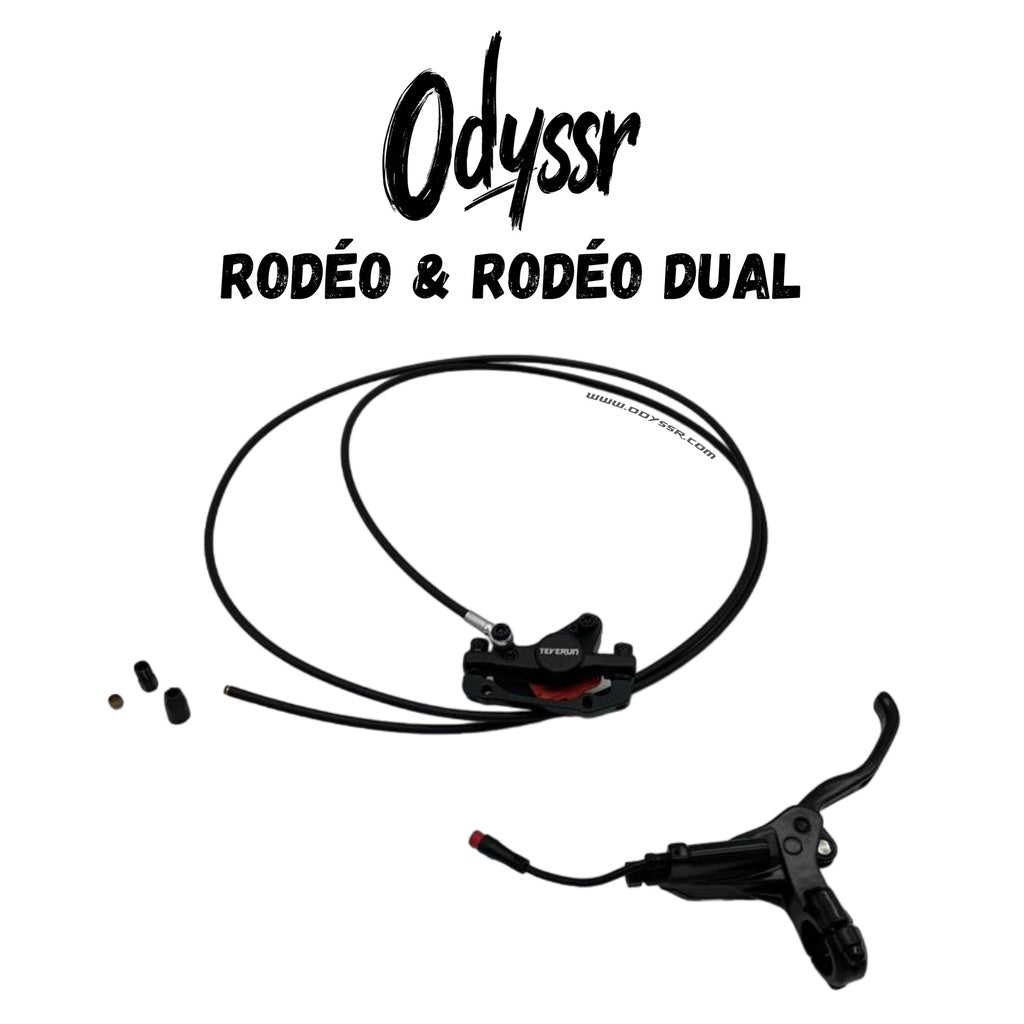
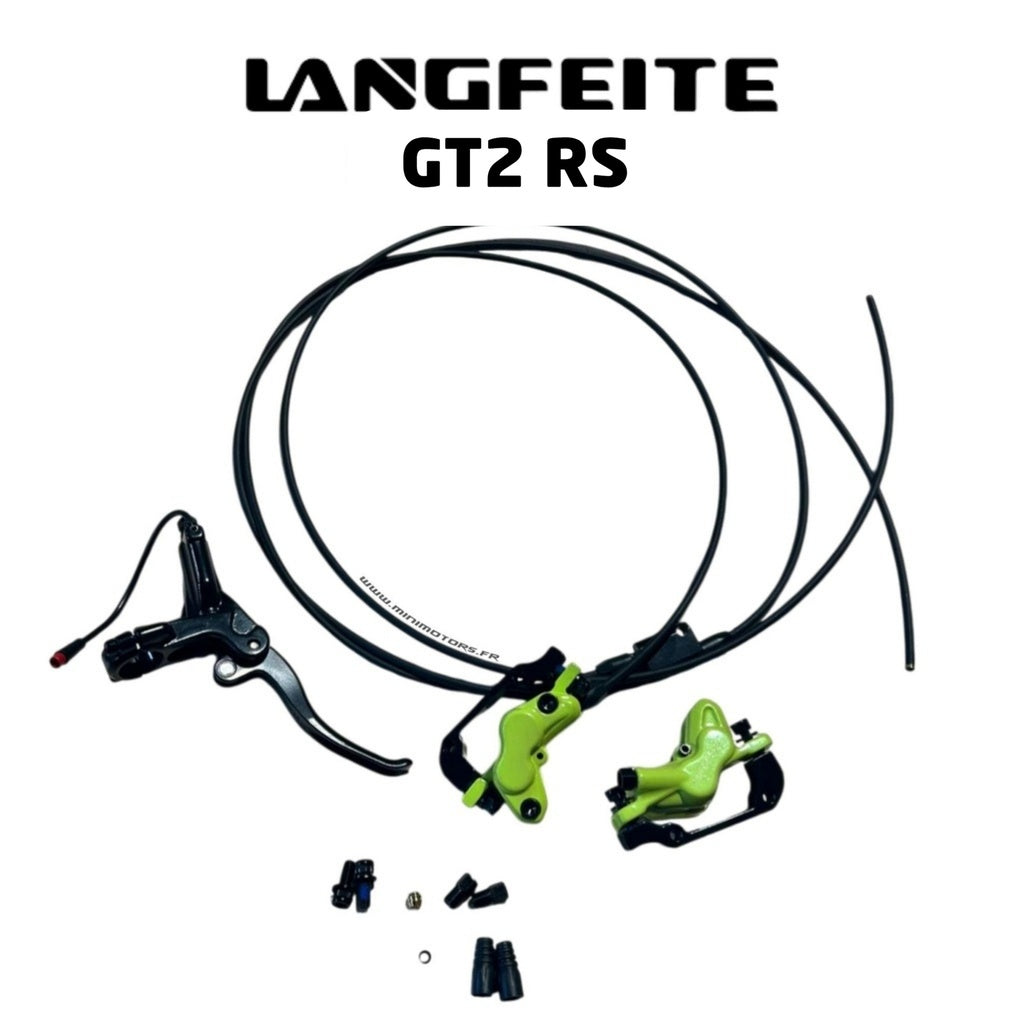
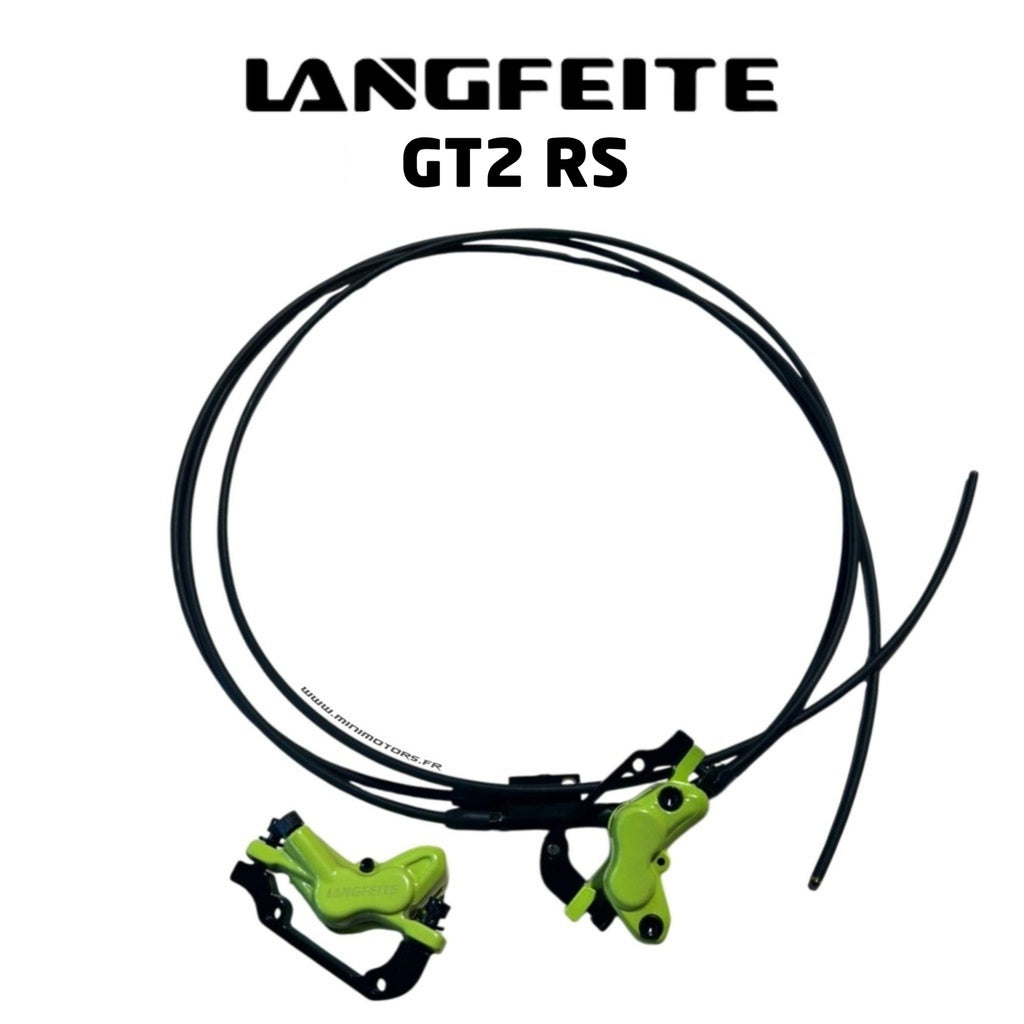
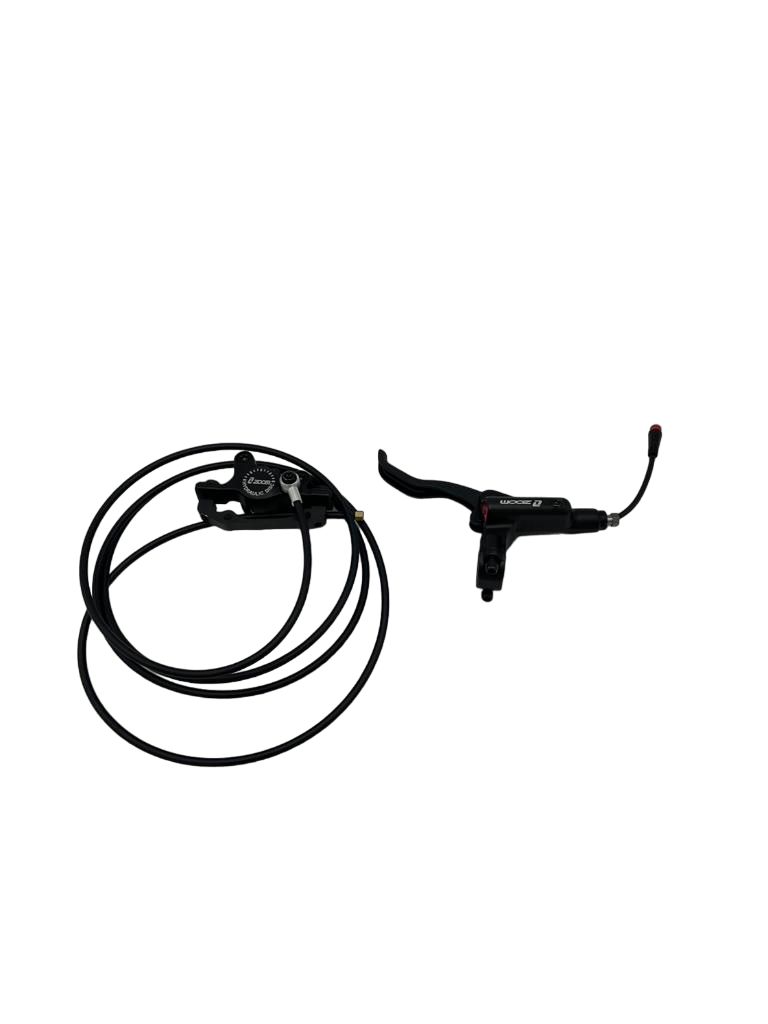
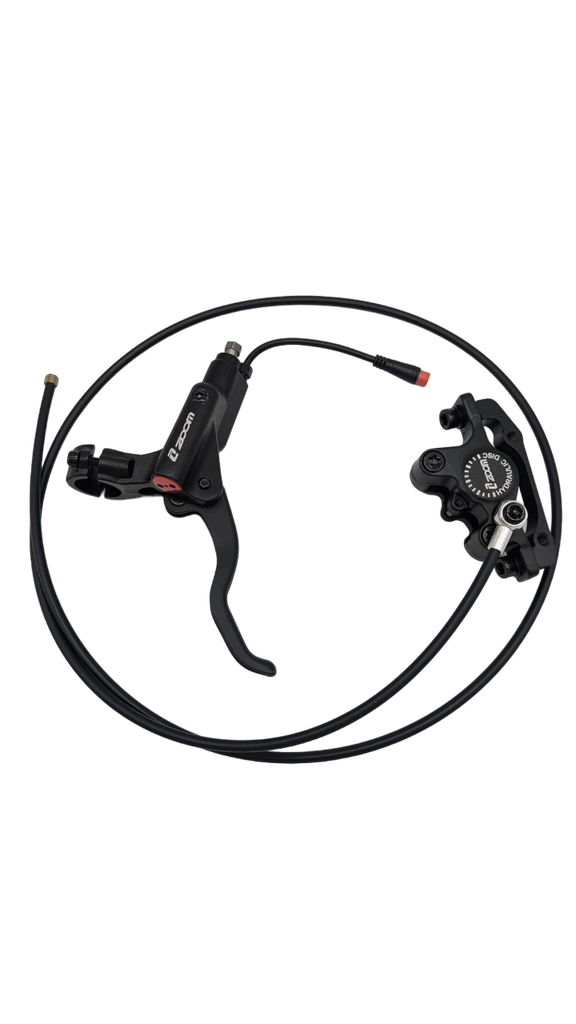
A complete electric scooter hydraulic brake setup includes several interconnected parts working together as a sealed system.
Hydraulic Brake Lever
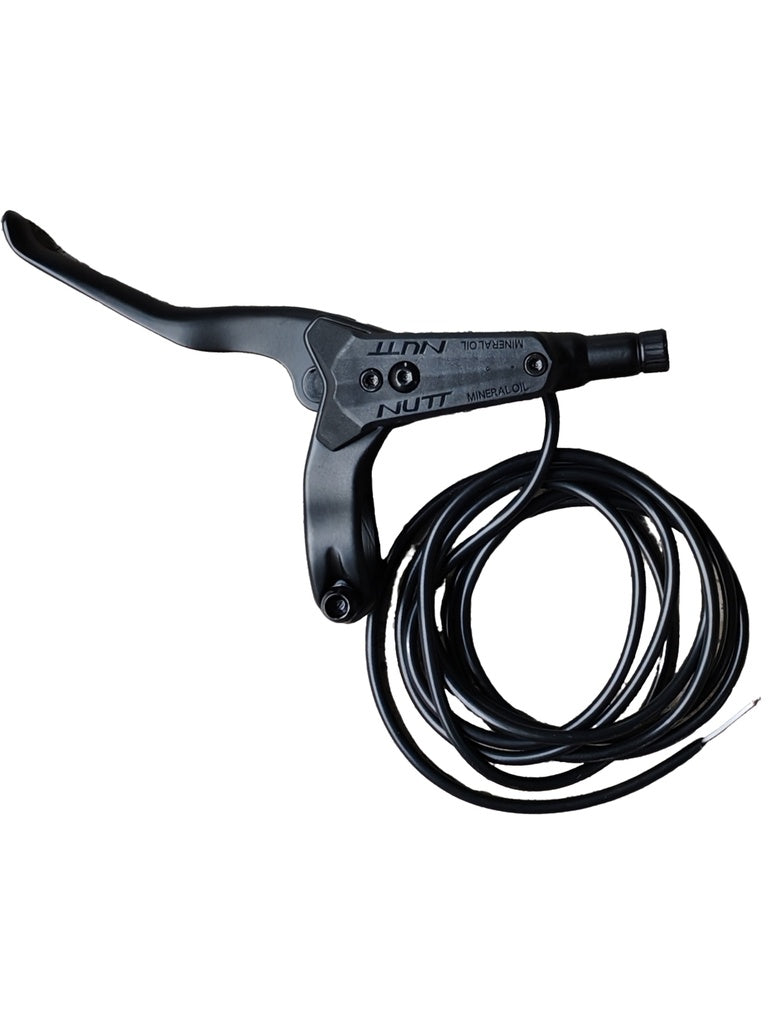
The lever houses the master cylinder and reservoir that initiate fluid pressure. Ergonomic levers improve comfort and responsiveness.
Hydraulic Hose
A reinforced hose transports brake fluid from the lever to the caliper. High-quality hoses resist expansion, heat, and vibration.
Brake Caliper
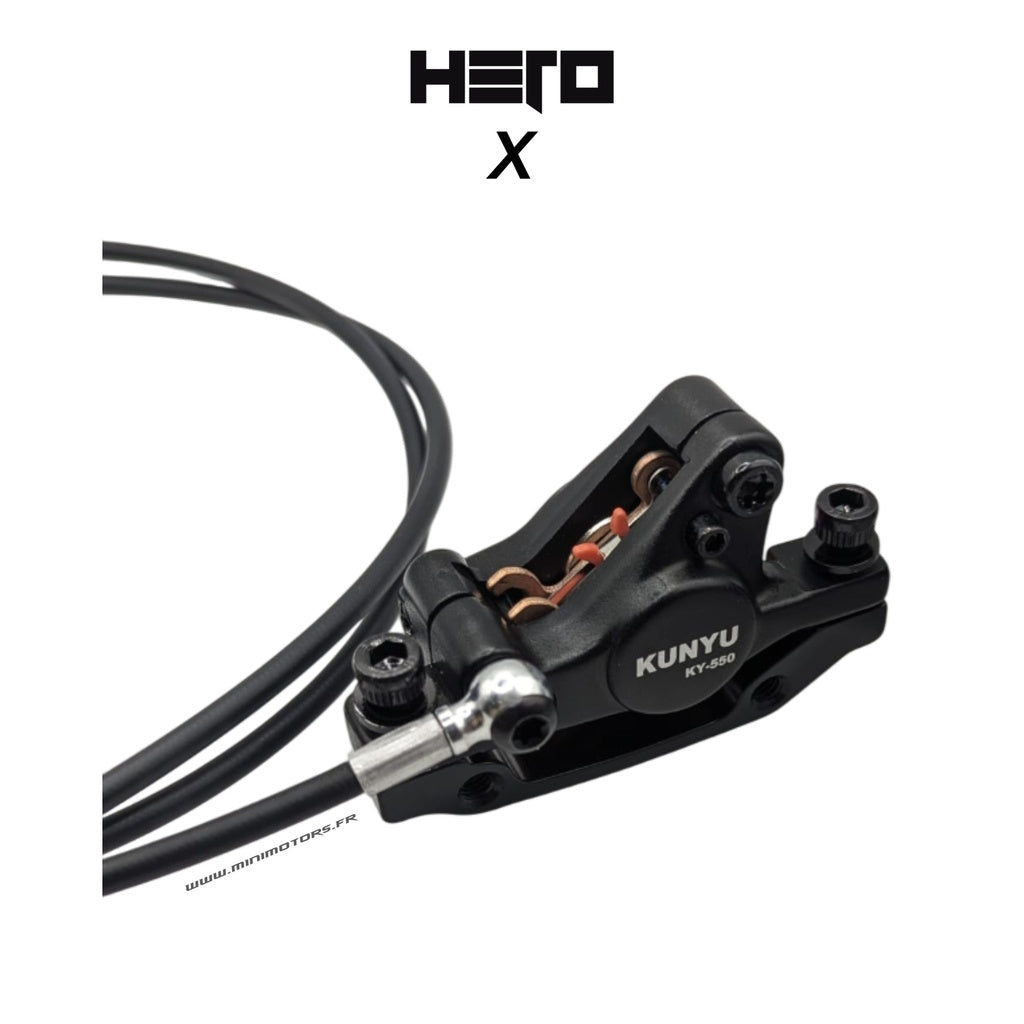
The caliper contains pistons that push brake pads against the disc. Multi-piston calipers offer stronger and more even pressure distribution.
Brake Pads
Hydraulic brake pads are available in organic, semi-metallic, and metallic compounds, each offering different levels of noise control, heat resistance, and longevity.
Brake Fluid
Typically mineral oil or DOT fluid depending on the system, brake fluid must remain clean and sealed to preserve braking efficiency.
Performance Advantages for Electric Scooters
Hydraulic brakes provide tangible benefits for both everyday riders and performance enthusiasts.
-
Stronger stopping power at high speeds
-
Improved control during downhill riding
-
Better heat management under repeated braking
-
Shorter stopping distances
-
Smoother braking transitions
-
Enhanced rider confidence in traffic
-
Greater precision during emergency maneuvers
For dual-motor scooters or heavy battery models, hydraulic systems are often considered essential rather than optional.
Two-Piston vs Four-Piston Calipers
Hydraulic calipers vary in piston configuration, which directly influences braking strength and modulation.
Two-Piston Calipers
Lighter, more affordable, and suitable for mid-range scooters or urban commuting. They provide excellent everyday performance.
Four-Piston Calipers
Designed for powerful scooters and aggressive riding styles. They distribute pressure more evenly, increase braking surface contact, and improve heat dissipation.
Installation and Upgrade Considerations
Upgrading to hydraulic brakes requires attention to compatibility and mounting standards.
Key factors include:
-
Brake disc diameter compatibility
-
Mounting bracket type (post-mount or flat-mount)
-
Hose length and routing space
-
Lever clamp diameter for handlebars
-
Fluid type requirements
-
Wheel and caliper clearance
-
Controller and brake sensor integration
Professional installation is recommended for riders unfamiliar with hydraulic bleeding or hose routing.
Maintenance and Bleeding
Hydraulic brakes require less frequent adjustment than cable systems but still benefit from periodic maintenance.
Brake Bleeding
Over time, air bubbles may enter the hydraulic line, reducing braking efficiency. Bleeding removes trapped air and restores full pressure.
Fluid Replacement
Brake fluid should be replaced according to manufacturer recommendations to maintain consistent performance and prevent contamination.
Pad Inspection
Worn brake pads reduce stopping power and can damage discs if neglected.
Hose Checks
Inspect hoses for leaks, cracks, or abrasions that could compromise pressure.
Regular maintenance ensures optimal braking power and long-term reliability.
Riding Conditions and Hydraulic Brake Benefits
Hydraulic brakes adapt exceptionally well to diverse environments.
Urban Traffic
Frequent stop-and-go riding benefits from smoother modulation and reduced hand fatigue.
High-Speed Performance Riding
Powerful scooters require stronger braking force and heat resistance to maintain safety.
Wet or Slippery Conditions
Hydraulic systems provide consistent braking even when exposed to rain or humidity.
Mountain or Hilly Terrain
Sustained downhill braking generates heat, and hydraulic systems manage temperature more effectively than cable brakes.
Safety and Control Enhancements
Hydraulic brakes significantly enhance scooter safety through:
-
Faster emergency stopping
-
Balanced front and rear braking
-
Improved rider posture during deceleration
-
Greater stability at speed
-
Reduced likelihood of brake fade
-
Consistent response under heavy loads
Investing in hydraulic brakes is often one of the most impactful safety improvements a rider can make.
Common Questions About Hydraulic Brakes
Are hydraulic brakes worth upgrading?
Yes, especially for mid-to-high-power scooters or riders covering long distances regularly.
Do hydraulic brakes require more maintenance?
They require less frequent adjustment but do need occasional bleeding and fluid replacement.
Can I mix hydraulic levers with mechanical calipers?
No, hydraulic systems must remain fully sealed and matched for proper operation.
Which fluid is better: Mineral Oil or DOT?
Mineral oil is less corrosive and easier to handle, while DOT fluid offers higher boiling points but requires careful handling.
Do hydraulic brakes improve battery efficiency?
Indirectly. Better braking control can improve regenerative braking efficiency if supported by the scooter controller.
Why Buy Electric Scooter Hydraulic Brakes from Vepace?
At Vepace, we focus on premium electric scooter braking systems engineered for performance, safety, and long-term durability.
-
High-quality hydraulic brake kits and replacement components
-
Compatibility with Dualtron, Teverun, Kukirin, Kuickwheel, HERO, and more
-
Precision-tested calipers, levers, and hoses
-
Clear installation guidance and compatibility support
-
Fast and reliable EU shipping
-
Customer assistance available 7/7
-
Deep expertise in electric scooter performance and safety upgrades
Choosing Vepace ensures that your braking system delivers the control, power, and reliability needed for modern electric mobility.